
Google Maps rankings play a major role in how local customers find and choose businesses. When your business appears higher on Maps, it often leads to more calls, more direction requests, and stronger local trust. However, many businesses show up on Google Maps without ever ranking consistently, even though they offer good services.
In most cases, ranking drops do not happen because of penalties. They happen because profiles are left unattended. Outdated information, weak engagement, or missed updates slowly reduce visibility over time. Google focuses on relevance, proximity, and overall profile health when deciding which businesses to show.
The good news is that you do not need hacks or advanced SEO tactics to improve google maps ranking performance. This guide breaks down seven practical steps that focus on accuracy, consistency, and real activity. These steps are designed to work today and continue delivering results long term.
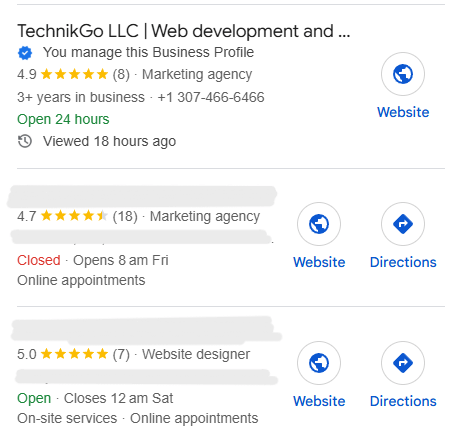
Google Maps rankings work differently from regular Google Search results. While website content and links matter in Search, Maps focuses more on local signals and business profile quality. A business can have a strong website and still struggle on Maps if the profile is weak or outdated.
Three main factors influence Maps visibility: relevance, distance, and activity. Relevance measures how closely your business matches what someone is searching for. Distance considers how close the business is to the search location. Activity reflects how well the profile is maintained, including updates, photos, reviews, and engagement.
Google Maps favors businesses that appear reliable and well managed. Accurate information, steady activity, and consistent engagement signal that a business is real and active. Business owners should expect gradual improvement, not overnight jumps. Stable rankings are built through ongoing care, not quick changes.
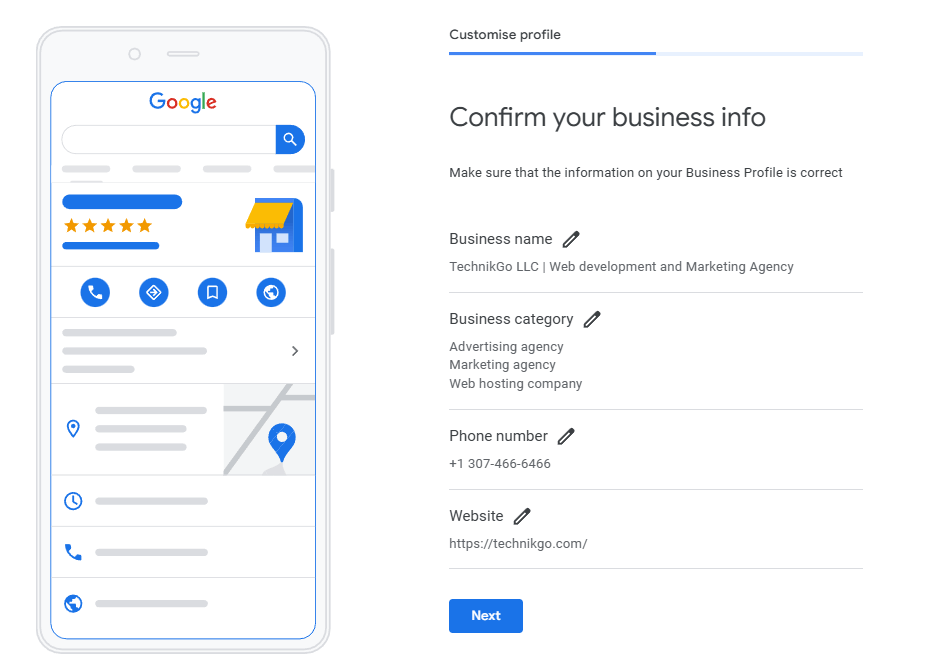
Accuracy is the starting point for any improvement in Google Maps visibility. Before working on reviews, photos, or activity, your basic business information must be correct and consistent.
Google verifies business information by cross-checking your profile against your website, map data, local directories, and user feedback. When details match across these sources, Google gains confidence in the listing.
Your business name, address, phone number, and hours should be accurate everywhere they appear. Even small mismatches, such as a different phone number or outdated hours, can reduce trust. These inconsistencies confuse customers and make Google less likely to show the profile prominently.
Accuracy supports ranking stability. A profile that remains consistent over time is less likely to experience sudden drops and more likely to maintain steady Maps visibility as Google updates its systems.
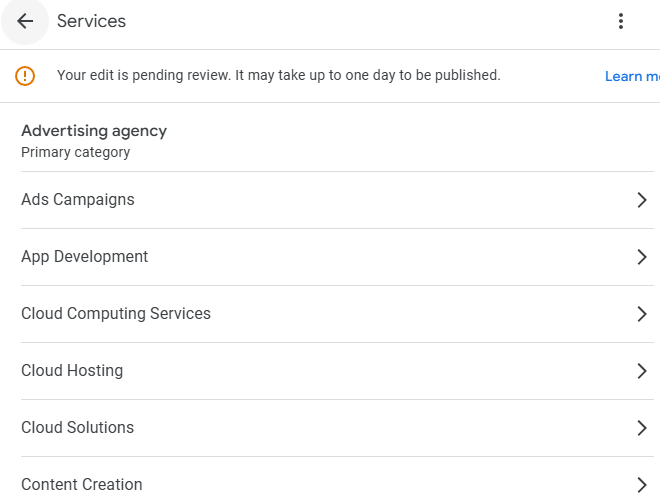
Categories tell Google what your business does and which searches your profile should appear for. Choosing the right categories helps align your business with real search intent on Google Maps.
The primary category has the strongest impact on Maps ranking. It defines your main service and signals to Google which searches are most relevant. An incorrect or overly broad primary category often leads to weak visibility, even if the rest of the profile is well maintained.
Secondary categories support the primary one by adding context. They help Google understand additional services but cannot replace a poor primary category choice.
Common mistakes include selecting categories based on competitors, adding too many categories, or choosing options that do not clearly match the business. Category updates help when services change or the original choice was incorrect. Frequent or unnecessary changes can hurt stability and reduce trust signals.
Google Maps rankings improve when profiles are built for people first. Clear information helps users decide quickly, and those actions send positive signals back to Google.

Your business description should explain what you do in simple, direct language. Avoid keyword-heavy text or marketing slogans. People want to know what services you offer, where you operate, and whether your business fits their needs.
Before visiting or calling, users look for clarity. When the description answers basic questions without effort, people feel more confident taking action. Clear descriptions lead to more calls, direction requests, and website visits, which support stronger Maps visibility over time.
List services using the same words customers use when they search or ask questions. Avoid long or copied lists that do not reflect what you actually offer.
Attributes help support Maps relevance by highlighting features such as service options or accessibility. Use only attributes that truly apply to your business. Focused, accurate services and attributes make the profile easier to trust and easier for Google to match with relevant searches.
Photos play a major role in how people judge businesses on Google Maps. Before calling or visiting, most users look at images to decide whether a place feels trustworthy and active.
Real photos build more trust than stock images because they show the actual business. Customers want to see the real location, team, work, or products, not generic visuals. Authentic images reduce uncertainty and help set clear expectations.
Photos that influence decisions the most include storefront or office images, interior spaces, team members, work in progress, and completed results. These give users a better sense of what they will experience.
Freshness also matters. Recently added photos signal that the business is active and operating normally. Simple habits, such as uploading a few phone photos every month, help keep the profile current without extra effort.
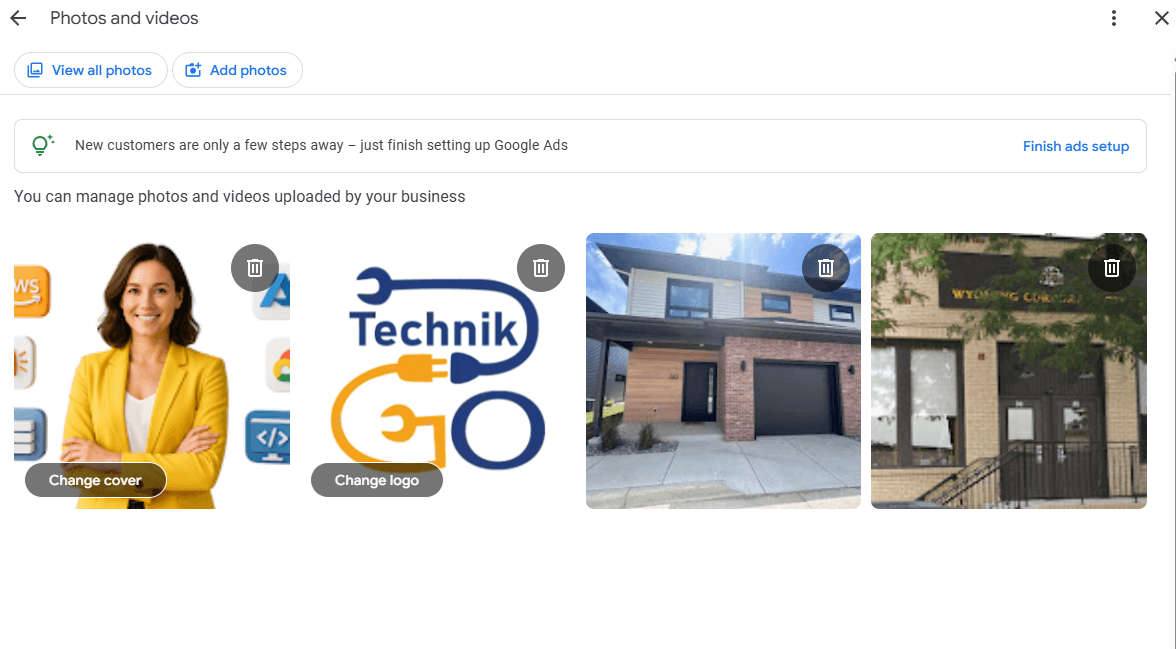
Photos play a major role in how people judge businesses on Google Maps. Before calling or visiting, most users look at images to decide whether a place feels trustworthy and active.
Real photos build more trust than stock images because they show the actual business. Customers want to see the real location, team, work, or products, not generic visuals. Authentic images reduce uncertainty and help set clear expectations.
Photos that influence decisions the most include storefront or office images, interior spaces, team members, work in progress, and completed results. These give users a better sense of what they will experience.
Freshness also matters. Recently added photos signal that the business is active and operating normally. Simple habits, such as uploading a few phone photos every month, help keep the profile current without extra effort.
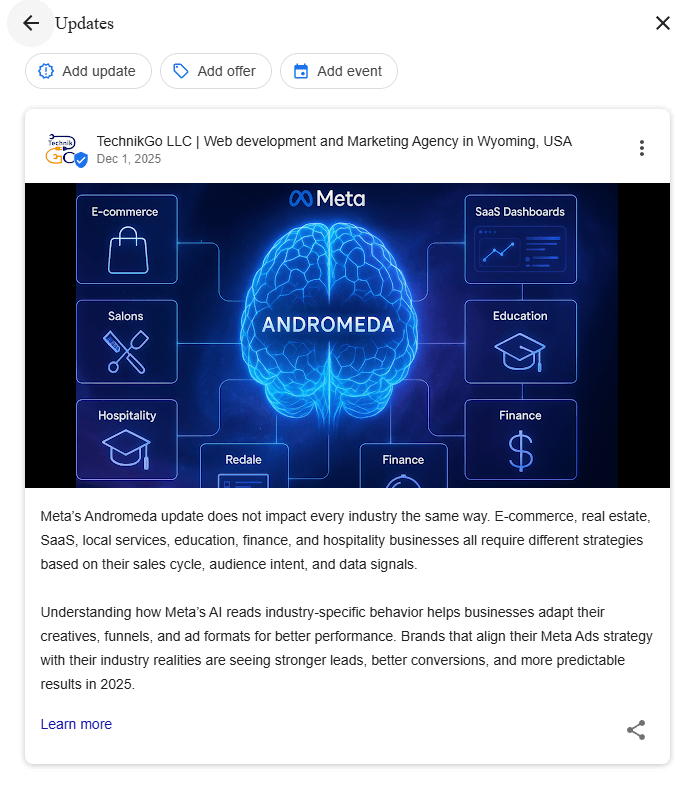
Staying active on your Google Business Profile helps support Maps visibility, but more activity does not always mean better results. The goal is steady, meaningful updates rather than constant changes.
Posts, updates, and engagement signal that a business is operating and paying attention to its profile. Simple updates such as sharing news, offers, or reminders can be helpful when done occasionally.
Frequent edits to important fields, constant category changes, or repeated updates without a clear reason can create instability. Google may interpret this behavior as uncertainty or inconsistency.
Google values stability. Profiles that show regular but calm activity tend to perform better over time. Smart habits include responding to reviews, adding photos monthly, and making updates only when something truly changes. This approach supports long-term growth without unnecessary risk.
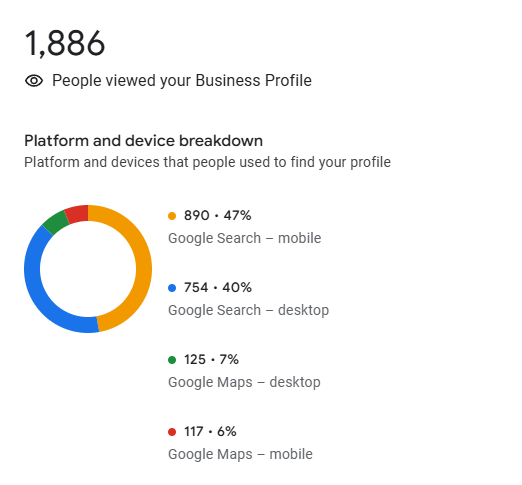
Measuring progress on Google Maps requires focusing on actions, not just visibility numbers. Calls, direction requests, messages, and website visits show whether people are actually engaging with your business. These signals matter far more than how often your profile appears.
Impressions alone can be misleading. A profile may receive many views but still generate few enquiries if the information is unclear or untrustworthy. Looking only at impressions can hide real performance issues.
Track trends over weeks and months instead of reacting to daily changes. Small fluctuations are normal. What matters is steady improvement over time.
Consistency compounds Maps visibility. Profiles that stay accurate, relevant, and active tend to build stronger presence gradually and maintain their rankings longer.
Many businesses struggle on Google Maps not because they are doing too little, but because they are doing the wrong things. Most ranking issues come from shortcuts that seem helpful at first but create problems later.
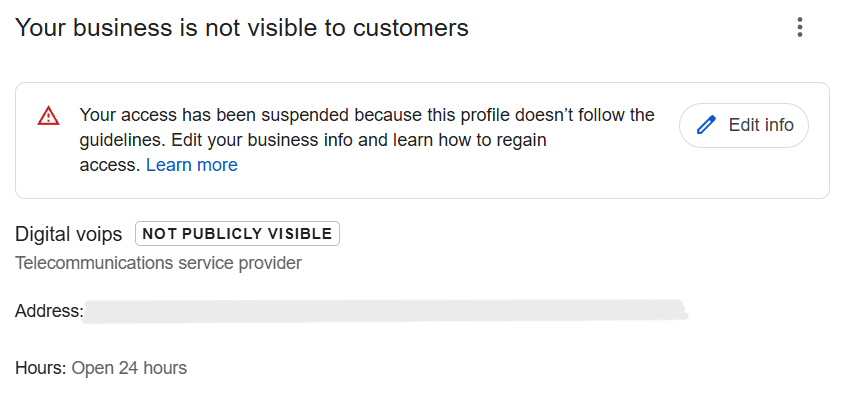
Keyword stuffing the business name is one of the most common mistakes. Adding extra words may briefly improve visibility, but it often leads to ranking drops or profile suspensions. Google expects the business name to match real-world branding exactly.
Over-editing key profile fields such as the business name, address, categories, or service areas can also hurt performance. Constant changes make the profile look unstable and may trigger additional checks by Google.
Automation misuse is another risk. Fake engagement, bulk updates, or automated actions can weaken trust signals instead of strengthening them.
Copying competitors without understanding context rarely works. Every business is different. Shortcuts often backfire, while careful, honest optimization supports long-term Maps visibility.
Following these steps can significantly improve Google Maps visibility for many businesses. Accurate information, clear categories, steady reviews, and consistent activity often lead to better rankings over time. However, there are cases where progress slows or stops even after doing everything right.
This usually happens when deeper issues exist, such as category conflicts, suppressed profile fields, relevance gaps, or historical data problems that are not visible on the surface. These issues can quietly limit performance and are difficult to diagnose without experience.
For businesses that need more structured help after following these steps, working with a professional Google Maps ranking service can help identify deeper issues and fix them safely.
At this stage, the focus shifts from basic improvements to removing hidden barriers that prevent long-term, stable Maps visibility.
Google Maps visibility improves when your business profile is reviewed on a simple, consistent schedule. You do not need daily changes. Regular check-ins help keep information accurate without creating instability.
Once a month, review new customer reviews and respond to them in a calm and professional way. This shows both customers and Google that the business is active and attentive.
Add a few recent photos if possible. These can be simple phone photos of your location, team, or recent work. Also check business hours, holiday timings, and any announcements to ensure everything is up to date.
These small monthly actions help maintain trust and keep the profile current.
Every few months, review your categories to confirm they still match your main services. Make changes only if something is incorrect or outdated.
Update your address or service area if the business moves or expands. Major business changes, new offerings, or growth into new locations should be reflected carefully. Thoughtful updates support long-term stability and consistent Google Maps visibility.
Google Maps rankings are built on trust, not tricks. Businesses that focus on accuracy, relevance, and real activity tend to perform better over time than those chasing quick wins. Speed matters far less than consistency.
Small actions done regularly, such as keeping information accurate, responding to reviews, and updating photos, outperform aggressive tactics that create instability. These steady habits help Google understand that a business is reliable and active.
A healthy Google Business Profile supports stable local visibility and protects rankings through changes and updates. Take time to review your Google Maps presence using these seven steps and make improvements with purpose rather than urgency.