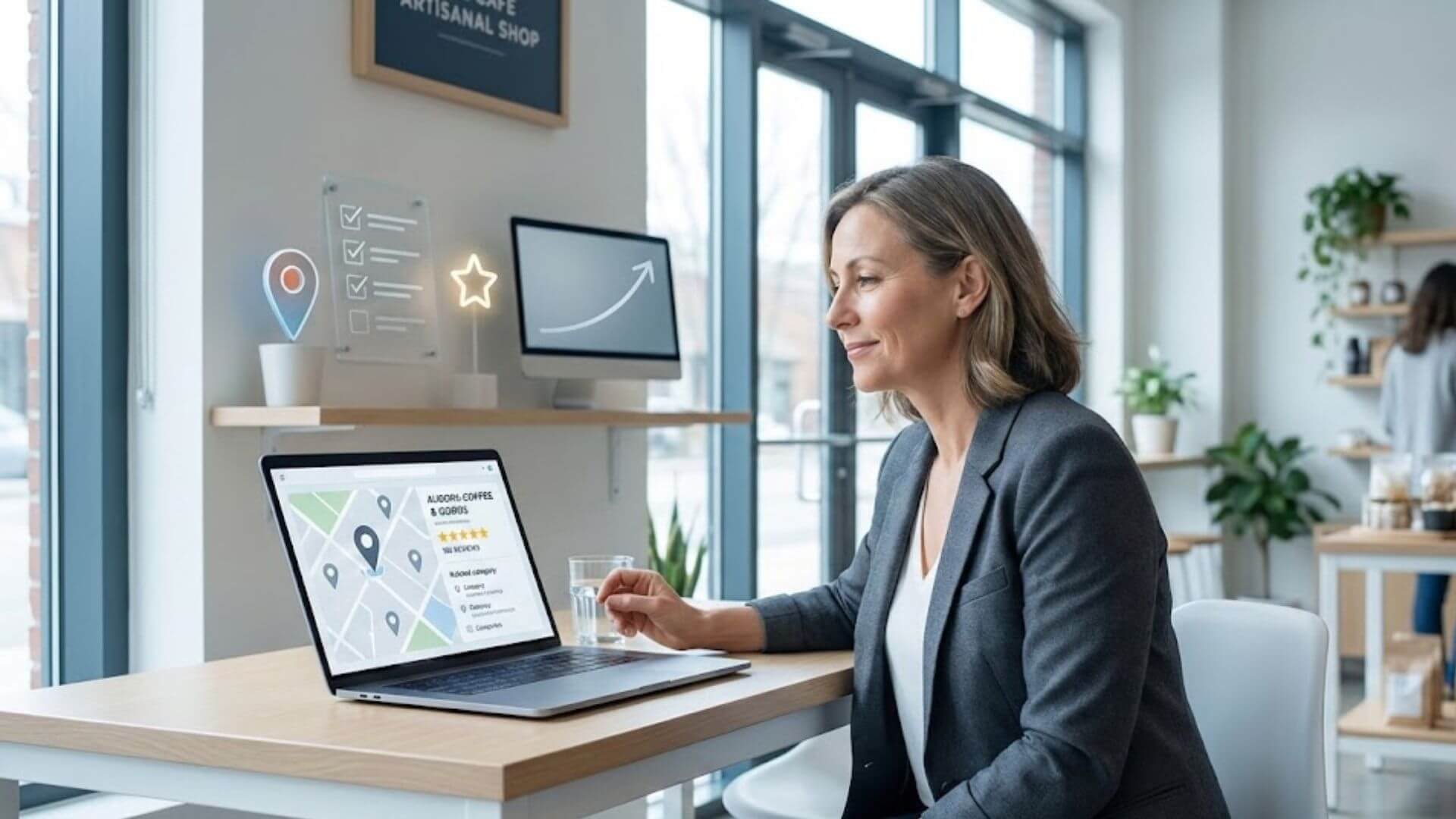
Google Maps continues to shape how people choose local businesses. For many customers, Maps is the first place they look before calling, visiting, or making a decision. Going into 2026, the way rankings work has become more demanding, but also more stable for businesses that manage their profiles well.
Ranking in 2026 is harder because Google checks signals more carefully. Old tactics like keyword stuffing, constant edits, or copying competitors no longer work. Instead, Google favors real businesses that show consistent information, steady engagement, and clear relevance to what people are searching for.
The good news is that you do not need aggressive SEO tactics to rank higher on google maps. What works now is simpler and safer. This guide explains what still matters, why certain methods have stopped working, and how businesses can build visibility that lasts instead of chasing short-term wins.
Google Maps ranking has shifted away from simple keyword signals and toward trust-based evaluation. In earlier years, businesses could influence visibility by adding keywords or making frequent changes. That approach no longer works reliably.
Going into 2026, Google places stronger emphasis on business accuracy. Profiles are cross-checked more often against websites, map data, and user feedback. Inconsistent information is more likely to limit visibility than before.
Engagement quality now carries more weight than raw activity. Genuine reviews, thoughtful responses, and real photos matter more than volume or automation. Google looks for signals that reflect real customer interactions.
Google also prefers fewer but more reliable listings. Businesses that stay consistent, accurate, and active tend to maintain stable rankings, while unreliable or over-optimized profiles lose ground over time.
Google Maps rankings are driven by a few core factors that work together. Understanding these fundamentals helps set the right expectations before applying any tactics.
Relevance is about how closely your business matches what someone is searching for. Google looks at your categories, services, descriptions, and overall profile clarity to decide whether your business fits a specific search.
Proximity refers to how close the business is to the search location. While distance matters, it is not enough on its own. Many nearby businesses compete for the same searches, and Google must decide which ones to show.
Profile health ties everything together. Accurate information, consistent engagement, reviews, and photos signal trust. Maps rankings are built over time through steady, reliable signals. They cannot be forced with quick changes or shortcuts.
Accuracy is the foundation of Google Maps visibility in 2026. Before focusing on engagement or optimization tactics, your business information must be correct and consistent everywhere it appears.
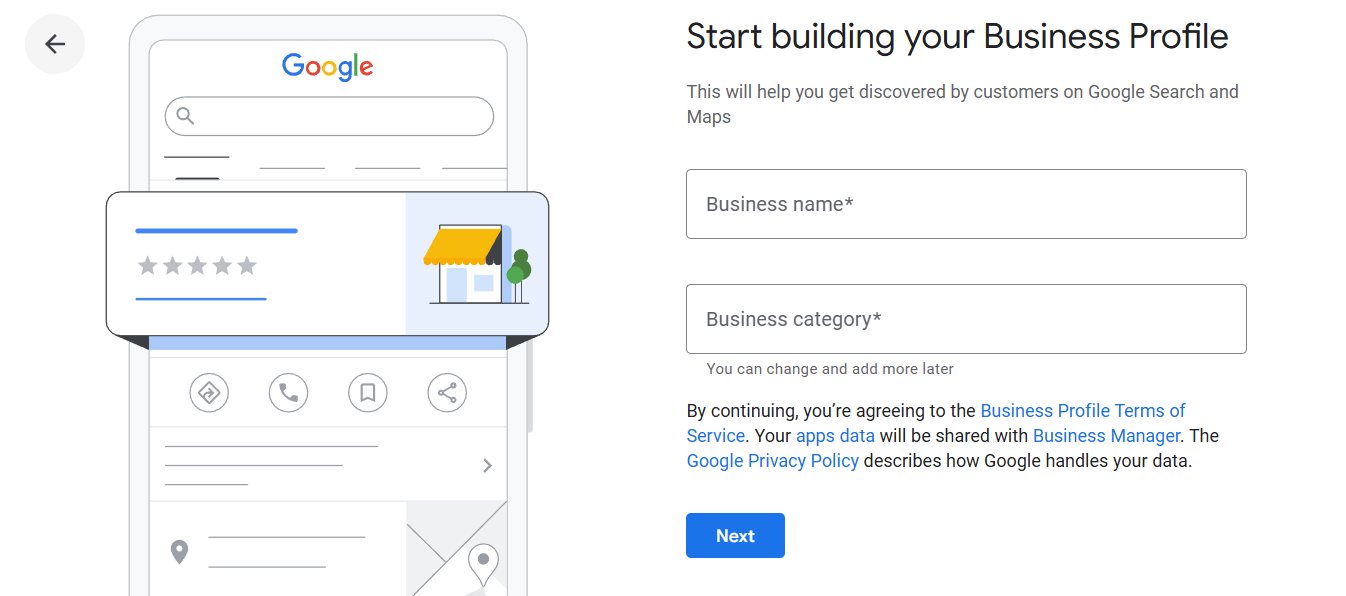
Google now cross-checks business data across multiple sources, including your website, maps data, local directories, and user reports. This helps protect users from outdated or misleading listings.
Your business name, address, phone number, and hours must match across all platforms. Even small mismatches, such as a different phone number or outdated hours, can reduce trust. These inconsistencies signal uncertainty and make Google less likely to rank the profile.
Accuracy also protects rankings long term. Profiles that remain consistent over time are more stable and less affected by updates. In 2026, accuracy is no longer optional. It is a requirement for sustained Google Maps visibility.
Categories tell Google what your business is truly relevant for. In competitive markets, the right category choice often makes the difference between appearing and being ignored.
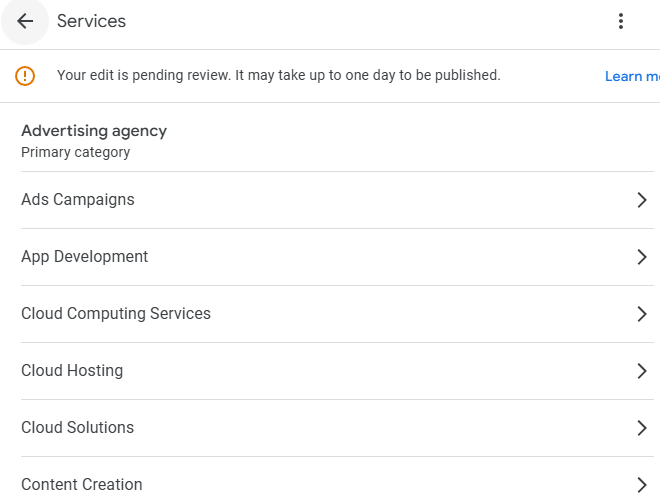
The primary category has the strongest influence on local Maps ranking. It defines your core service and helps Google match your business to search intent. Choosing a category that is too broad or only loosely related often leads to weak visibility.
Common mistakes include selecting categories based on competitors, adding too many categories, or choosing options that sound appealing but do not reflect actual services. These choices dilute relevance and confuse Google.
Category updates help when the original selection was incorrect or when services genuinely change. They hurt stability when made frequently or without a clear reason. In 2026, focused and accurate categories perform better than broad or constantly adjusted ones.
Google Maps rankings improve when profiles help real people make decisions quickly. Clear, useful information leads to more actions, and those actions support stronger visibility over time.
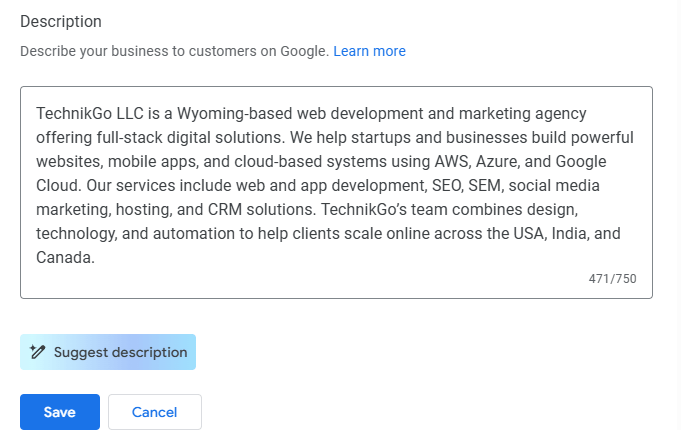
A good business description explains what you do in clear, simple language. Avoid keyword blocks or marketing phrases. Users want to know, within a few seconds, whether your business fits their needs.
Focus on your main service, who you serve, and where you operate. When people understand this right away, they feel more confident calling, requesting directions, or visiting your website. That clarity leads to real engagement, which supports Maps performance naturally.
List services using the same words customers use when they search or ask questions. Avoid bloated service lists that try to cover everything. Fewer, accurate services are easier for users to trust and easier for Google to understand.
Attributes reinforce trust by highlighting real features such as service options, accessibility, or business type. Use only attributes that truly apply. Honest, focused details help build relevance without over-optimization.
Engagement signals help Google understand that a business is active and trusted. In 2026, the focus is not on doing more, but on doing the right things consistently.
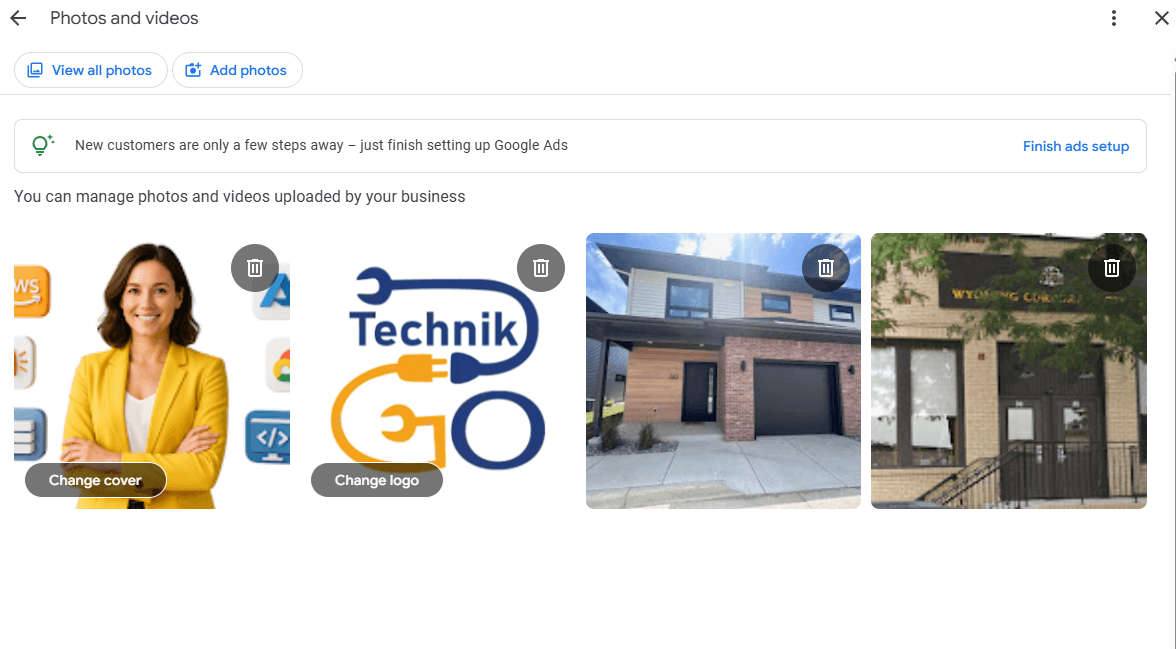
Real photos perform far better than stock images. Customers want to see the actual business, not generic visuals. Authentic photos reduce uncertainty and help people feel confident before they visit or call.
Photo freshness also matters. Recently added images signal that the business is active and operating normally. You do not need professional shoots often. Simple phone photos uploaded regularly are enough.
The most important photos include the storefront or office, interior spaces, team members, work in progress, and completed results. These images help users understand what to expect and support trust.
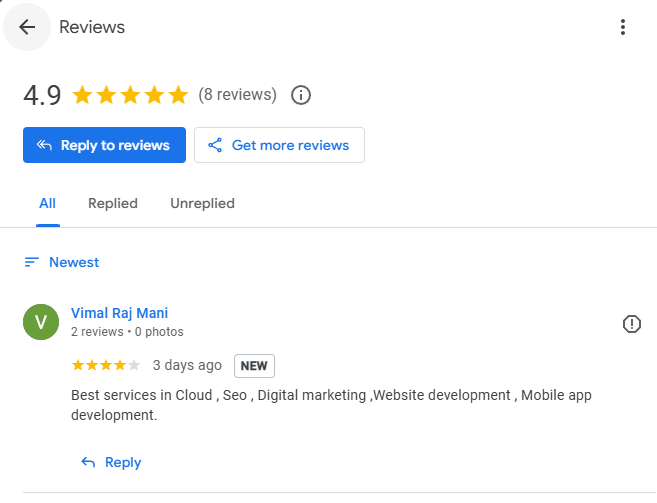
Reviews influence Google Maps rankings when they are consistent and genuine. A steady flow of reviews looks more natural and reliable than sudden spikes in volume.
Quality matters more than quantity. Detailed reviews give context about real experiences. How you respond also matters. Calm, respectful responses build credibility and show that the business values feedback. This approach supports long-term visibility without risk.
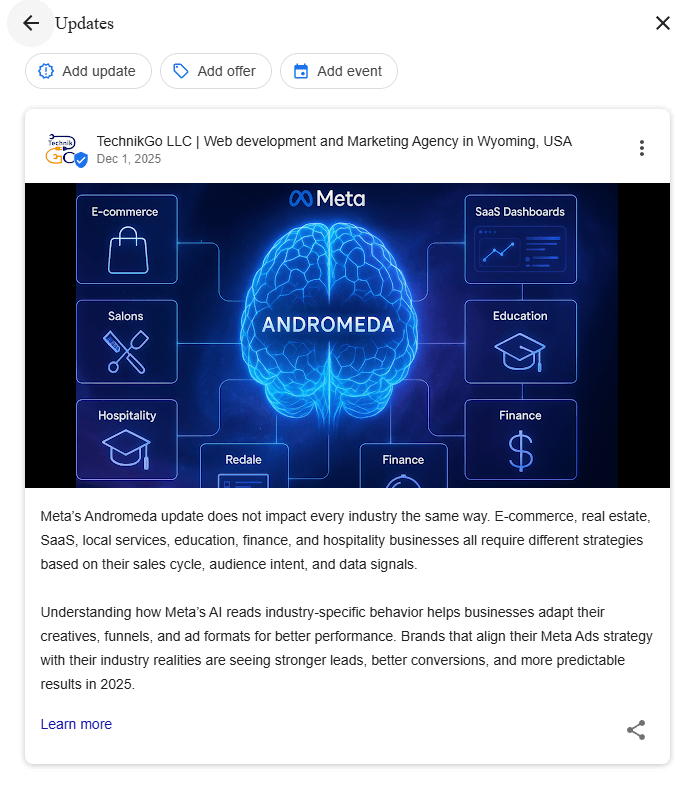
Staying active on Google Maps helps maintain visibility, but too much activity in the wrong areas can cause problems. The goal in 2026 is balance, not constant motion.
Posts and updates are useful when they share real information, such as announcements, offers, or reminders. Occasional updates show that the business is active without overwhelming the profile.
Frequent edits to important fields, such as the business name, categories, or service areas, carry risk. Constant changes can make the profile look unstable and reduce trust signals.
Stability beats constant changes. Healthy activity patterns include responding to reviews, adding photos monthly, and updating information only when something truly changes. This steady approach protects rankings and supports long-term growth.
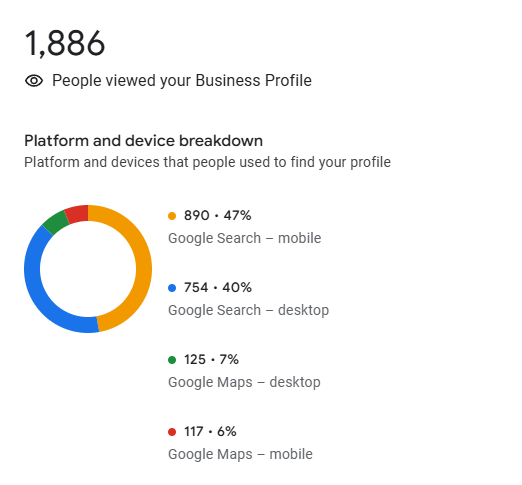
Measuring progress on Google Maps in 2026 means focusing on actions, not vanity numbers. Calls, messages, direction requests, and website visits show whether people are actually choosing your business. These signals matter far more than how often your profile appears.
Impressions alone can be misleading. A profile may get views but still fail to generate enquiries if trust or clarity is missing. High visibility without action usually points to deeper issues, not success.
Track trends over weeks and months instead of reacting to daily movement. Small ups and downs are normal and do not reflect real progress. What matters is steady improvement over time.
Consistency compounds results. Profiles that stay accurate, relevant, and active tend to build stronger visibility gradually and maintain it longer without sudden drops.
Many businesses lose visibility on Google Maps not because they do nothing, but because they follow outdated or risky tactics. In 2026, Google is far less forgiving of shortcuts.
Keyword stuffing the business name is still one of the most damaging mistakes. Adding extra words may cause short-term movement, but it often leads to ranking drops or profile suspensions. Google expects the business name to match real-world branding exactly.
Over-editing sensitive fields such as the business name, categories, address, or service areas can also hurt performance. Frequent changes make the profile look unstable and reduce trust signals.
Automation misuse is another common issue. Auto-posting, fake engagement, or bulk actions weaken credibility instead of improving it.
Copying competitors without understanding context rarely works. What fits one business may harm another. In 2026, shortcuts fail long term, while steady, honest optimization holds rankings.
Doing the basics right can take a business far on Google Maps. Accurate information, focused categories, steady reviews, and regular updates often lead to better visibility. But there comes a point where progress slows or stops, even though nothing obvious seems wrong.
This usually means deeper issues are holding the profile back. These can include relevance gaps, category conflicts, suppressed profile fields, or historical data problems that are not visible from the dashboard. At this stage, making random changes or increasing activity often creates more instability instead of results.
For businesses that want a clearer path once the basics are in place, working with a professional Google Maps ranking service can help uncover deeper issues and resolve them safely.
The focus here shifts from doing more to understanding what is limiting performance and fixing it in a controlled, long-term way.
In 2026, Google Maps visibility depends more on consistency than constant activity. A simple review schedule helps keep your profile healthy without creating unnecessary changes.
Once a month, review new customer reviews and respond to them in a calm, professional tone. This shows customers and Google that the business is active and attentive.
Add a few recent photos if available. These can be simple phone photos of your location, team, or recent work. Also check business hours, holiday schedules, and any announcements to ensure everything remains accurate.
These small updates help maintain trust and keep the profile current.
Every few months, review your categories to confirm they still reflect your main services. Only make changes if something is outdated or incorrect.
Update your address or service area if the business moves or expands. Major business updates, new offerings, or expansion into new locations should be reflected carefully to avoid confusion and protect ranking stability.
Google Maps rankings in 2026 are built on trust, not tricks. Businesses that focus on accuracy, relevance, and real engagement perform better than those chasing fast results. Speed matters far less than consistency.
Small, steady actions such as keeping information accurate, responding to reviews, and updating photos regularly outperform aggressive tactics that create instability. These habits help Google understand that a business is reliable and active.
Stable profiles earn long-term visibility. They hold rankings through updates and competitive changes without sudden drops. Take time to review your Google Maps presence using the principles outlined in this guide and make improvements with purpose rather than urgency.