

A clear Google review strategy matters more in 2026 because Google now evaluates reviews differently than it did in previous years. The focus has shifted from simple review counts to patterns, behavior, and trust signals that develop over time.
Google’s review systems have evolved with stronger automation and AI moderation. These systems analyze how reviews are collected, how often they appear, and how businesses respond. Sudden activity or inconsistent behavior is easier to detect, which makes unplanned review efforts riskier than before.
Today, reviews impact trust more than volume. A smaller number of genuine, recent reviews with thoughtful responses often performs better than a large number of low-quality or rushed reviews. Google values authenticity, engagement, and consistency, especially in competitive local markets.
Because of these changes, businesses must move away from short-term tactics like one-time review pushes. In 2026, review success depends on a long-term strategy that supports steady growth, regular engagement, and ongoing monitoring. Businesses that treat reviews as a system rather than a campaign are better positioned to build trust and maintain visibility over time.
The GMB review system now relies heavily on automation and behavioral analysis. Google looks beyond individual reviews and focuses on patterns that indicate whether review activity reflects real customer experiences.

Google uses automated systems and AI moderation to evaluate review behavior at scale. These systems analyze factors such as how often reviews appear, who is posting them, and how those reviews are written.
Pattern-based signals matter because they help Google identify unnatural activity. Sudden spikes, repeated wording, or reviews from suspicious accounts can trigger filtering. Even genuine reviews may be temporarily hidden if the overall pattern looks unusual.
This is why consistency matters more than speed. A steady review flow aligns better with how the GMB review system expects real customer feedback to appear.
Engagement plays a key role in how reviews are evaluated. When businesses respond to reviews and interact with customers, Google sees active management and authenticity.
Responses show that reviews are part of real conversations, not static content. Profiles with regular activity appear more trustworthy than profiles where reviews sit unanswered for long periods.
Passive profiles often lose visibility because they show little engagement. Without responses or ongoing interaction, review sections can look inactive, which weakens trust signals. Active participation helps reinforce authenticity and supports long-term profile performance.
This local review guide highlights how Google’s approach to reviews has changed in recent years. Strategies that worked in the past are no longer reliable, and businesses must adapt to new expectations.
Many old review tactics no longer work. Bulk review requests, one-time campaigns, and rapid review collection often trigger filters instead of improving visibility. Buying reviews or offering incentives, which may have gone unnoticed before, now carry higher risk due to stronger detection systems.
Google now places higher value on review quality. Detailed, relevant reviews from real customers matter more than short or generic comments. Reviews that describe specific experiences, services, or outcomes help build trust and align better with Google’s evaluation systems.
The authenticity of reviewers has also become more important. Google looks closely at reviewer behavior, history, and activity patterns. Reviews from genuine users with normal activity are more reliable than those from accounts created only to leave feedback.
Understanding these changes helps businesses move away from outdated tactics and build a review approach that supports trust and long-term visibility.
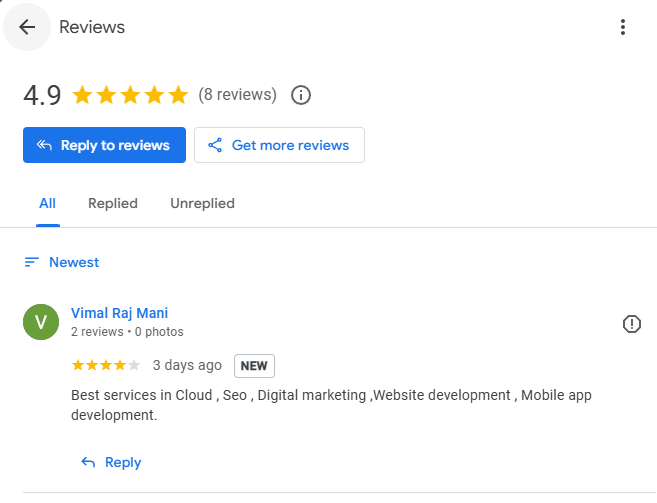
A successful Google review strategy in 2026 focuses on quality, consistency, and engagement. Instead of short-term tactics, businesses need a structured approach that aligns with how Google evaluates reviews today.
When these elements work together, review activity becomes predictable, safe, and aligned with long-term business goals.
A sustainable review approach treats reviews as an ongoing system, not a one-time campaign. Businesses that rely on short bursts of activity often see inconsistent results or review loss. A long-term review strategy focuses on repeatable processes that work continuously in the background.
Planning review growth over months, not weeks, creates stability. Steady pacing aligns with real customer interactions and reduces the risk of triggering automated filters. This approach also makes review management predictable and easier to maintain as the business grows.
Reviews should align with business operations. Review requests work best when they are built into existing workflows, such as after service completion or successful transactions. When review collection matches how the business already operates, growth feels natural and scales without extra effort.
By following a long-term review strategy, businesses can maintain consistent review activity, protect trust, and support visibility as operations expand.
In today’s environment, prevention matters more than recovery. Once reviews are removed, they are often difficult or impossible to restore. A modern review approach focuses on avoiding triggers altogether, rather than reacting after reviews disappear. This mindset protects trust and saves time.
Certain patterns trigger removals more than individual actions. Sudden review spikes, repeated wording, inconsistent request methods, or incentivized feedback can raise red flags. Even legitimate reviews may be filtered if the overall pattern looks unnatural to Google’s systems.
A structured strategy reduces review loss risk by keeping activity steady and compliant. When review requests follow consistent timing, responses remain active, and growth aligns with real customer interactions, reviews are less likely to be flagged. This is why review removal prevention should be built into the strategy from the start, not treated as an afterthought.
By prioritizing prevention within a modern review strategy, businesses protect review stability, maintain credibility, and support long-term visibility without relying on risky recovery tactics.
A clear process helps local businesses manage reviews safely and consistently. This step-by-step approach supports steady growth and aligns with how Google evaluates review activity today.
Ask for reviews after a real and positive customer interaction. The best time is shortly after service completion, delivery, or a successful transaction. Use a polite request and a direct review link, and always ask for honest feedback without guidance.
Avoid sending many requests at once. Space review requests based on customer volume and business activity. Consistent timing looks more natural than sudden bursts and reduces the risk of automated filtering.
Track review count, timing, and responses over time. Monitoring helps you spot unusual patterns early, such as missing reviews or sudden changes in activity. Regular checks allow you to adjust your approach before problems escalate.
Following this step-by-step strategy helps local businesses maintain stable review growth and long-term trust.
Even well-meaning businesses can damage their review efforts by following outdated or risky practices. In 2026, certain mistakes can quickly weaken an otherwise strong review strategy.
Review spikes are one of the biggest issues. Collecting many reviews in a short period often triggers automated filters. Sudden activity looks unnatural and increases the risk of reviews being hidden or removed.
Incentivized reviews remain a serious problem. Offering discounts, rewards, or special treatment in exchange for reviews violates Google’s guidelines. These reviews are more likely to be flagged and can lead to long-term trust issues.
Ignoring responses also breaks review strategy. Reviews that receive no replies make a profile appear inactive. Lack of engagement reduces trust and weakens the credibility of otherwise genuine feedback.
A lack of monitoring allows small problems to grow. Without regular checks, businesses may miss early warning signs such as missing reviews or unusual patterns. Monitoring helps maintain control and protects long-term review stability.
Avoiding these mistakes helps keep review activity safe, consistent, and aligned with modern expectations.
A strong review strategy directly supports overall profile health. Reviews are not isolated signals – they interact with categories, services, attributes, photos, and posts. When review activity is consistent and authentic, the entire profile appears more reliable and well maintained.
Reviews also amplify other optimization efforts. Optimized services and accurate categories explain what your business offers, while reviews confirm that customers experience those offerings in real life. When reviews mention services, locations, or outcomes, they reinforce relevance and strengthen trust signals.
Consistency across profile elements plays a critical role. Reviews that align with business information, responses that match brand tone, and steady engagement all work together. Inconsistent behavior – such as updated services but inactive reviews – can weaken credibility.
When review strategy is treated as part of overall profile management, it strengthens clarity, trust, and long-term visibility. Reviews become a supporting system that enhances every other optimization effort rather than working in isolation.
As review activity increases, managing reviews manually can become difficult. Businesses with multiple locations, high customer volume, or competitive markets often struggle to keep up with review requests, responses, and monitoring. Managing reviews at scale requires consistency, timing, and a clear system.
In addition, ongoing monitoring of compliance and trends becomes more important in 2026. Review patterns, sudden changes, or missing reviews can signal issues that need quick attention. Without regular monitoring, small problems may grow into visibility or trust concerns.
This is where professional support becomes helpful. Many businesses rely on a structured Google Business Profile management approach to handle review tracking, response workflows, compliance checks, and performance reporting in a consistent way. This method keeps review activity aligned with long-term goals instead of reacting to issues only after they appear.
Using a management service makes sense when reviews are part of a broader strategy. With proper reporting and strategy alignment, businesses can maintain steady review growth, protect trust, and support overall profile performance over time.
Use this checklist to ensure your review approach remains safe, consistent, and aligned with modern expectations. A quick review helps protect trust and supports long-term visibility.
Following this checklist helps maintain a strong, reliable Google review strategy that supports trust and visibility.
A successful review approach in 2026 requires long-term thinking. Short-term tactics may create temporary results, but they often lead to instability or review loss. A steady and planned approach builds trust and protects visibility over time.
System-based review management is key. When review collection, responses, and monitoring follow a clear process, review activity becomes predictable and compliant. This reduces risk and makes review performance easier to maintain as the business grows.
Reviews should be viewed as a trust and visibility asset, not just a metric. When managed consistently, reviews support credibility, reinforce relevance, and strengthen overall profile performance. Treating reviews as part of a long-term system helps businesses stay competitive in local search throughout 2026 and beyond.