

Many business owners feel confused about why some local listings rank well while others barely appear. It often feels random or out of their control, but Google local ranking does not work that way. There is no hidden trick or secret system deciding winners and losers.
Local rankings are based on a small set of clear signals that Google applies consistently across businesses. When these signals are strong and aligned, visibility improves. When they are weak or misunderstood, rankings suffer. Most visibility problems happen not because of penalties, but because businesses focus on the wrong things or overlook the basics.
Understanding google local ranking factors helps remove this confusion. When you know what Google is actually looking at, it becomes easier to see why a listing performs the way it does. This guide explains how Google evaluates local businesses step by step, using simple language and real-world logic instead of technical jargon or shortcuts.
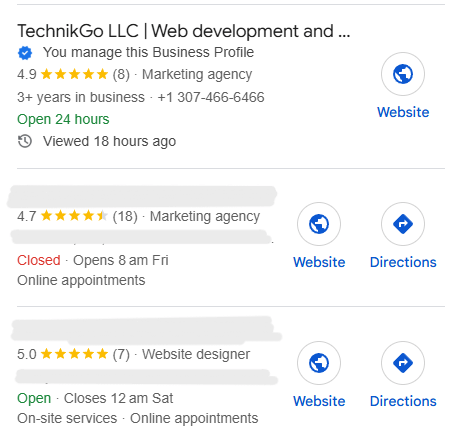
Local ranking refers to how Google decides which nearby businesses to show when someone searches for a service or product. This is different from regular website rankings, which are based more on content, links, and broader SEO signals. Local results focus on businesses that can serve the searcher right now, in their area.
Google shows only a limited number of businesses in Maps because it wants to present the most relevant and trustworthy options, not every possible listing. This is why competition feels high even in smaller areas.
Google Search and Google Maps are closely connected. Many local searches trigger Maps results first, with website rankings playing a supporting role. Business owners should expect variation based on location, search terms, and competition, not fixed positions.
Understanding these local ranking factors helps explain why some businesses appear consistently while others struggle with visibility.
Google does not guess which businesses to show in local results. It relies on clear signals that help it decide which listings are most useful for a specific search. These signals are designed to protect users from irrelevant or unreliable results and to surface businesses that can genuinely meet their needs.
No single factor controls local rankings. Google looks at multiple signals together and weighs them as a group. A business may be strong in one area but weak in another, which is why rankings can vary by search, location, and time.
This also explains why quick fixes rarely work. Improving one element in isolation does not guarantee better visibility. Local rankings are built when relevance, proximity, trust, and consistency support each other.
These signals are often referred to as Maps visibility signals, because they directly influence which businesses Google chooses to show.
Relevance measures how closely your business matches what someone is searching for. When Google decides which listings to show, it looks first at whether a business actually offers what the user wants.

Categories play a major role in relevance. The primary category tells Google what your business mainly does, while secondary categories add supporting context. Choosing the right categories helps Google connect your business with the correct searches.
Services and descriptions provide further clarity. They explain what you offer in plain language. Clear explanations work better than keyword stuffing because they help both users and Google understand your business.
Common relevance mistakes include using overly broad categories, copying competitors, or filling descriptions with repeated keywords. These approaches reduce clarity and make it harder for Google to match your business to the right searches.
Distance refers to how close a business is to the location used in a search. Google uses location data from the searcher, the searched area, or the place name included in the query to decide which businesses are nearby.

Google uses distance as one signal, not the final decision. This is why a business that is physically closer does not always rank higher. When multiple businesses are nearby, Google relies more on relevance and trust signals to decide which ones to show.
City-based searches and near-me searches behave differently. A city-based search, such as a service plus a city name, gives Google a broader area to work with. Near-me searches are more sensitive to the searcher’s exact location, but proximity alone still does not guarantee visibility.
Proximity has limits. Once several businesses fall within a reasonable distance, accuracy, relevance, and profile health become more important than being a few meters closer.
Prominence is about how established and trustworthy a business appears to Google. When several businesses are relevant and nearby, prominence often becomes the deciding factor in which ones are shown.
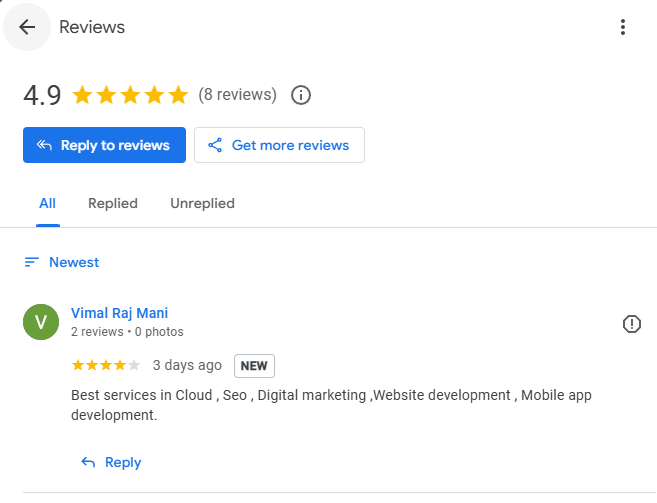
Reviews play a major role in building trust. They show real customer experiences and help Google understand how reliable a business is. Consistency matters more than volume. A steady flow of genuine reviews looks more natural than sudden spikes.
Photos and engagement also support prominence. Real photos, regular updates, and visible activity signal that a business is active and operating as expected. These signals reduce uncertainty for users and Google alike.
Prominence builds over time. It is not created through quick actions or shortcuts. Businesses that stay accurate, engaged, and responsive tend to earn stronger visibility as trust compounds gradually.
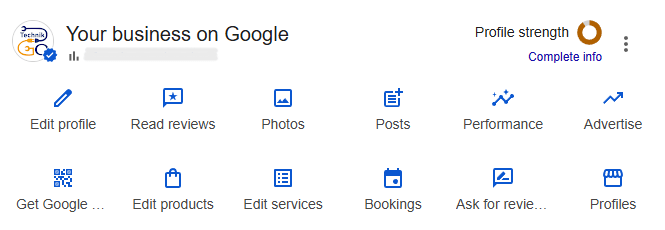
Profile health brings all local ranking signals together. Even when relevance and distance are strong, poor profile health can limit visibility. Google looks for businesses that are accurate, stable, and easy for users to trust.
Accuracy of business information is the starting point. Your name, address, phone number, hours, categories, and website should match everywhere they appear. Inconsistent details create confusion and reduce confidence in the listing.
Stability matters just as much. Frequent changes to key fields such as the business name, categories, or service areas can make a profile look unreliable. Thoughtful updates are fine, but constant edits often work against rankings.
Consistency affects rankings because it signals reliability. Profiles that stay accurate and steady over time tend to perform better than those chasing quick adjustments. Over-optimization hurts when it creates noise instead of clarity.
This is also why many businesses struggle when they don’t fully understand how Google ranks businesses at the local level.
Changes in local rankings are normal and often misunderstood. Not every movement means something is wrong. Google local results naturally shift as signals update and competition changes.
Normal fluctuations happen all the time. Small ups and downs are part of how Google tests and refreshes results. These should not be confused with real ranking drops, which tend to last longer and affect visibility more consistently.
Competitive changes also matter. New businesses may open nearby, or existing competitors may improve their profiles. When others strengthen their relevance or trust signals, rankings can shift even if your profile stays the same.
Business updates and inactivity play a role as well. Changes to services, hours, or location that are not reflected in the profile can reduce relevance. Long periods without reviews, photos, or activity can also weaken visibility.
Most drops happen without penalties. They usually result from changes in relevance, competition, or consistency rather than punishment by Google.
There are many myths around local rankings, and believing them often causes more harm than good. Google has become much better at ignoring tactics that try to manipulate results instead of helping users.
Keyword stuffing the business name is one of the most common misconceptions. Adding extra words may seem effective for a short time, but it does not build real trust. In many cases, it leads to visibility drops or profile issues rather than long-term improvement.
Constant profile edits are another mistake. Changing categories, services, or other key details frequently does not signal optimization. It signals instability. Google prefers profiles that are accurate and steady over time.
Automation tricks, such as fake engagement or bulk actions, do not help local rankings. These tactics weaken trust signals and can delay visibility recovery.
Paid ads also do not influence Google Maps rankings. Advertising and local rankings are handled separately. Maps visibility is earned through relevance, distance, and trust, not paid placement.
Using local ranking factors correctly starts with clarity, not manipulation. The goal is to help Google and users understand your business, not to force visibility through shortcuts. Clear information, accurate categories, and honest descriptions create a strong foundation.
Small improvements compound over time. Updating details when they change, responding to reviews, adding real photos, and staying consistent may feel slow, but these actions build trust steadily. Each improvement supports the next.
A long-term mindset is essential for local visibility. Google favors businesses that show reliability over time, not those that chase quick wins. Rankings grow as trust signals accumulate.
Patience matters because local rankings adjust gradually. Businesses that stay focused on accuracy, relevance, and consistency tend to see more stable and lasting results than those that react to every short-term change.
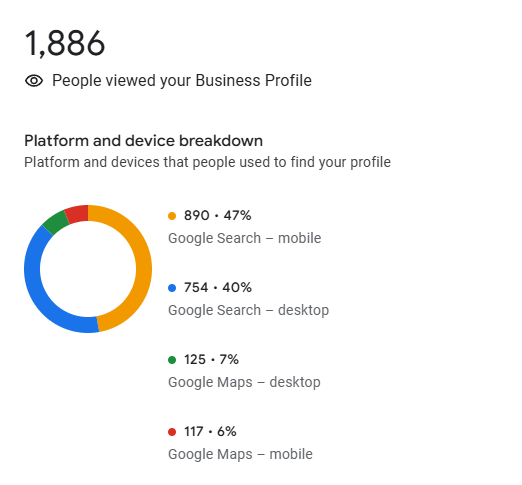
Understanding how local ranking works gives clarity, but knowledge alone does not always translate into results. Many businesses know the basics yet still struggle with inconsistent visibility, especially in competitive areas.
This usually happens when multiple small issues overlap. Categories may be slightly off, relevance signals may be weak, or profile consistency may have declined over time. These gaps are not always obvious, and fixing one area without seeing the full picture can slow progress.
For businesses that want expert help applying these ranking signals correctly, working with a professional Maps ranking service can help identify gaps and improve visibility safely.
At this stage, the goal shifts from learning what matters to applying it correctly and consistently without creating new problems.
Google local ranking is built on clear, repeatable signals. It is not random, and it is not controlled by hidden tricks. Relevance, distance, and trust work together to decide which businesses appear and how consistently they show.
Rankings are earned, not forced. Businesses that focus on accuracy, clarity, and steady engagement perform better over time than those chasing quick changes or shortcuts.
Consistent, honest optimization wins in the long run. Profiles that stay accurate, relevant, and stable tend to hold visibility even as competition increases. Take time to review your Google Business Profile using the ranking factors explained in this guide and make improvements with purpose rather than urgency.