
Google Business Profiles change every year, but Google’s expectations change even faster. Many tactics that helped businesses gain visibility in 2023 and 2024 now deliver weaker results or create instability when used without context. Small shortcuts, aggressive edits, and outdated optimization habits no longer align with how Google evaluates local businesses.
Today, Google prioritizes trust, consistency, and real-world signals over quick ranking tricks. Profiles that reflect accurate information, steady activity, and genuine engagement perform better during algorithm updates and remain visible even when competitors fluctuate.
Businesses that follow clear, structured processes tend to stay stable while others struggle after every change. This guide focuses on google business profile best practices that are practical, safe, and designed to hold up through 2026 and beyond. Instead of chasing trends, it explains how to build a profile that Google and customers can trust long-term.
Table of Contents
ToggleGoogle no longer rewards profiles that rely on keywords alone. The focus has shifted from keyword-driven listings to trust-driven profiles that reflect real businesses operating consistently in the real world. Accuracy, stability, and behavior now matter more than how well a profile is optimized on the surface.
Real engagement signals carry more weight than before. Google pays closer attention to how users interact with profiles, including calls, review activity, photo updates, and overall engagement patterns. Profiles that show steady, natural interaction perform better than those that rely on sudden spikes or artificial activity.
Google has also strengthened its checks on accuracy and consistency. Business information is compared more aggressively across websites, directories, and real-world signals. Profiles with conflicting or frequently changing details face reduced visibility or delays.
The goal is clear. Google wants fewer listings, but more reliable ones. As AI-assisted search becomes more common, Google depends on trustworthy profiles to deliver accurate local results. Profiles that demonstrate consistency and credibility gain a clear advantage in 2026.
Accuracy is no longer a basic requirement. It is the baseline that determines whether a Google Business Profile can compete at all. In 2026, Google cross-checks business data more aggressively to protect users from misleading or outdated information.
Google compares your profile details with your website, business directories, and other public sources. This includes your name, address, phone number, hours, and service details. When information matches everywhere, Google gains confidence in your listing.
Even small mismatches can affect rankings. A different phone format, an outdated address, or inconsistent business naming creates doubt. That doubt reduces visibility and can delay updates or limit how often your profile appears in search results.
Consistency across your website, citations, and profile helps Google confirm that your business is legitimate and actively maintained.
Categories tell Google what your business actually does. Your primary category carries the most weight because it defines search intent. Choosing a category for reach instead of relevance often results in fewer calls and weaker visibility.
Secondary categories support the primary one by adding context, not by replacing it. They should reflect real services offered, not every possible option.
Category changes help when they correct an inaccurate setup or reflect a real business change. Frequent or unnecessary changes confuse Google and can temporarily reduce performance.
Completeness tells Google that your profile is actively maintained and reliable. It also helps customers quickly understand what your business offers, which directly impacts engagement and calls.
Clear explanations outperform keyword-heavy text. Google uses your description to understand context, but users read it to decide whether to contact you. When descriptions feel forced or repetitive, trust drops on both sides.
Focus on explaining what your business does, who you help, and how customers benefit. Google looks for relevance and consistency, while users care about clarity and confidence. When both align, profiles convert better without needing manipulation.
Well-written descriptions guide users naturally and reduce confusion, which leads to higher engagement and more calls.
Service names should match the language customers actually use when searching. Clear, specific naming helps Google connect your profile to relevant searches and helps users understand what you offer.
Avoid bloated or copied service lists. Adding too many services weakens relevance and creates uncertainty. It is better to list fewer services accurately than to include everything.
Attributes reinforce relevance by adding important details about your business. Use them carefully and honestly to support visibility and trust rather than to over-optimize.
Google looks closely at how people interact with your profile. Engagement signals help Google decide whether your business deserves ongoing visibility or should be shown less often.
Real photos consistently outperform polished stock images. Google and users both respond better to visuals that reflect the actual business. Real photos show authenticity, which builds confidence and reduces hesitation before contacting you.
The most effective photo types include exterior shots, interior views, team or staff photos, and real examples of your work or services. These images help customers understand what to expect before they call.
Freshness also matters. Updating photos regularly signals that your business is active and engaged. Stale or outdated images weaken trust and reduce engagement over time.
Review consistency matters more than total volume. A steady flow of reviews over time looks natural and trustworthy, while sudden spikes can appear artificial.
Review velocity shows ongoing customer interaction, but review quality shapes perception. Detailed, honest feedback carries more weight than short or generic comments.
Response tone plays a critical role. Calm, professional, and thoughtful replies build credibility and reassure potential customers that your business values real interactions.
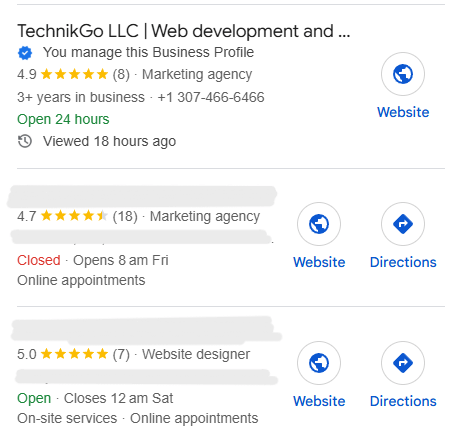
Proximity still plays a role in Google Maps rankings, but it is no longer enough on its own. Many businesses located close to searchers fail to appear consistently because their profiles lack relevance, activity, or trust signals.
Relevance now depends on how clearly your profile matches what users are searching for. Accurate categories, well-defined services, and consistent information help Google understand when to show your business. Activity supports that relevance by signaling that the profile is current and maintained.
Profile health directly affects local pack rankings. Profiles with accurate data, regular engagement, and stable histories are more likely to appear in the top results. Profiles with frequent changes, conflicting information, or low engagement struggle to maintain visibility.
Stability beats aggressive optimization. Constant edits, forced keyword use, or sudden activity spikes create uncertainty. Google favors profiles that demonstrate steady, natural behavior over time, which leads to more reliable Maps visibility in 2026.
Safe optimization focuses on clarity and accuracy. Risky shortcuts focus on speed. In 2026, Google clearly favors profiles that grow steadily over time instead of profiles that rely on aggressive tactics.
Keyword stuffing the business name remains one of the riskiest moves. Even if it works temporarily, Google often corrects or penalizes listings that do not reflect real-world branding. The long-term cost outweighs any short-term visibility.
Over-editing sensitive fields creates instability. Frequent changes to the business name, primary category, address, or service area trigger repeated reviews. This can lead to ranking drops or delayed visibility.
Automation misuse also causes problems. Tools that push posts, edits, or responses without oversight create unnatural patterns. Google values consistency and authenticity, not volume or speed.
Copying competitor profiles without context is another common mistake. What works for one business may violate guidelines for another. Each profile needs its own accurate setup.
In the long run, less but better wins. Thoughtful updates, accurate details, and steady engagement build trust that lasts beyond algorithm changes.
Following best practices creates a strong foundation, but not every profile improves with surface-level changes alone. Some listings struggle because of deeper issues that are not obvious at first glance. These may include long-term inconsistency, past risky edits, conflicting category signals, or trust problems built up over time.
At this stage, applying the same best practices repeatedly can slow progress instead of improving it. Google often needs clearer signals and a structured approach to reassess a profile safely, especially when history and stability are involved.
For businesses that want a more structured approach beyond general best practices, working with a professional GMB Optimization Service can help identify deeper issues and fix them safely.
Addressing underlying problems helps profiles regain stability, improve relevance, and grow visibility without triggering unnecessary risk.
Keeping a Google Business Profile active does not mean changing it constantly. The goal is to maintain visibility while protecting stability.
Reviews deserve regular attention. Monitor new reviews, respond promptly, and maintain a consistent tone. This shows ongoing engagement without overwhelming the profile.
Photos should be updated periodically. Adding a few fresh, real photos each month signals that the business is active and operating normally.
Minor updates, such as adding posts or adjusting service descriptions for clarity, help keep information current without triggering re-evaluation.
Category reviews should happen carefully and infrequently. Revisit categories only when services change or when the original setup was incorrect.
Address or service area changes require extra caution. These updates should always reflect real-world changes and should not be made unless necessary.
Business changes, such as new offerings or updated hours, should be applied when they occur. Timing updates properly helps Google process them smoothly and reduces risk.
Success is not measured by impressions alone. Calls, direction requests, and real customer actions provide a clearer picture of whether your profile is working. These actions reflect intent, not just visibility.
Tracking trends over time matters more than reacting to daily changes. Short-term fluctuations are normal, especially after updates. Looking at performance patterns over weeks and months gives you better insight into what is improving and what needs attention.
Consistency delivers results. Profiles that maintain accurate information, steady engagement, and thoughtful updates show gradual improvement. Sudden changes or constant adjustments often create noise instead of progress.
Best practices focus on trust, not tricks. Accuracy and consistency compound over time, building credibility with both Google and customers.
Stable profiles outperform aggressively optimized ones because they provide clear, reliable signals. Instead of chasing every update, focus on helping users find accurate information and feel confident contacting your business.
Take time to review your profile using these principles and make improvements with intention. Small, careful changes can create lasting impact.
Review it step by step and fix issues before they affect visibility.