
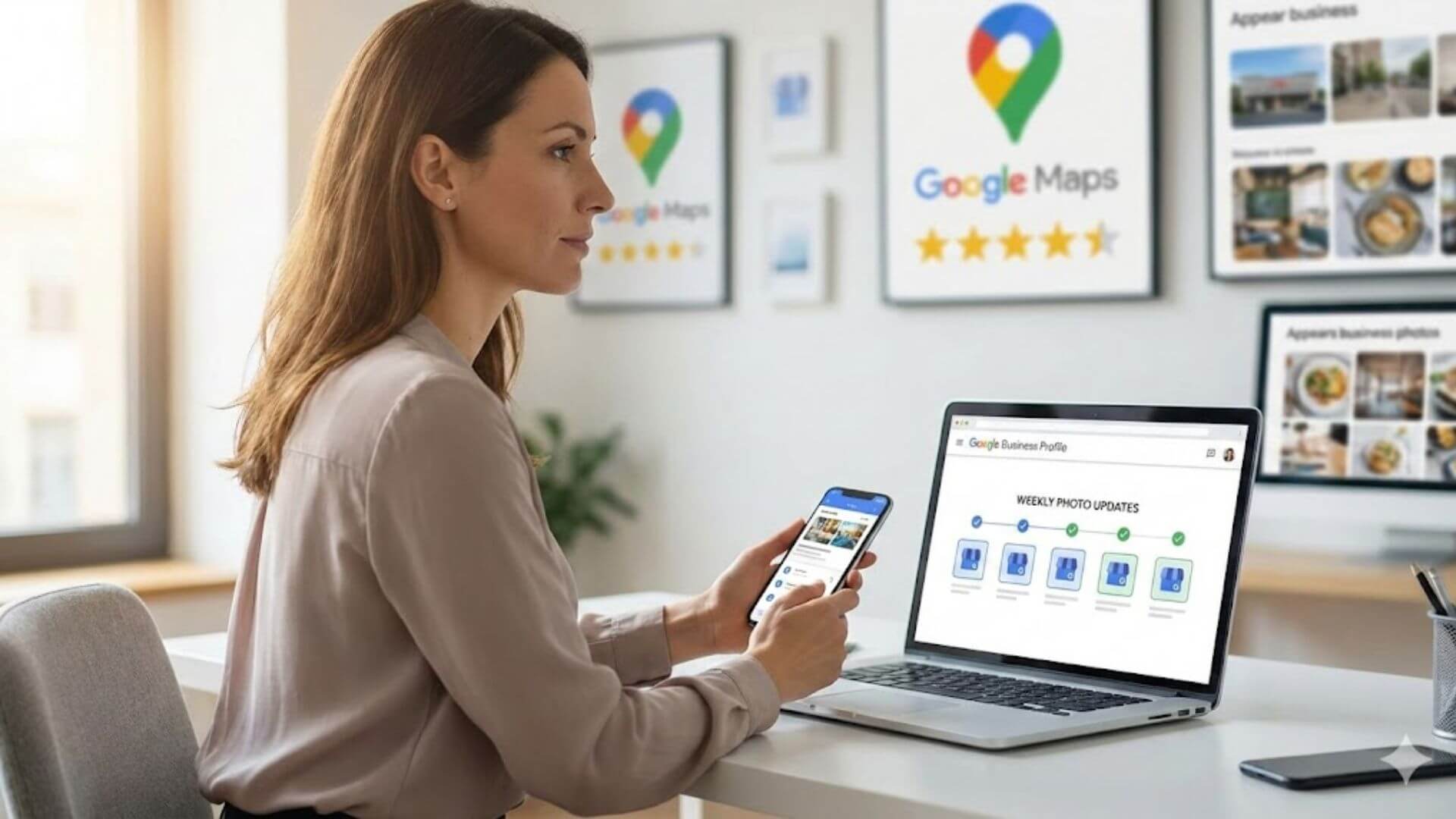
Uploading photos to your Google Business Profile is not just about making your listing look attractive. Google treats regular photo uploads as a freshness and activity signal, which helps the algorithm understand that your business is active, relevant, and open for customers. When you consistently upload Google Business photos, you send a strong signal that your profile is being maintained, not abandoned.
Google also analyzes how users interact with your photos. Views, clicks, and profile actions triggered by images help Google measure real-world interest in your business. These interactions are part of image-based ranking factors, which influence how your business appears in local search results and map listings. A profile with updated, relevant photos often performs better than one with old or limited visuals.
Photo frequency matters because it shows ongoing business activity over time. Uploading photos regularly helps maintain ranking stability, especially in competitive locations. Even if your services stay the same, updated photos tell Google that your business is still operating, evolving, and engaging with customers. This makes photo uploads an essential part of local SEO, not just a design choice.
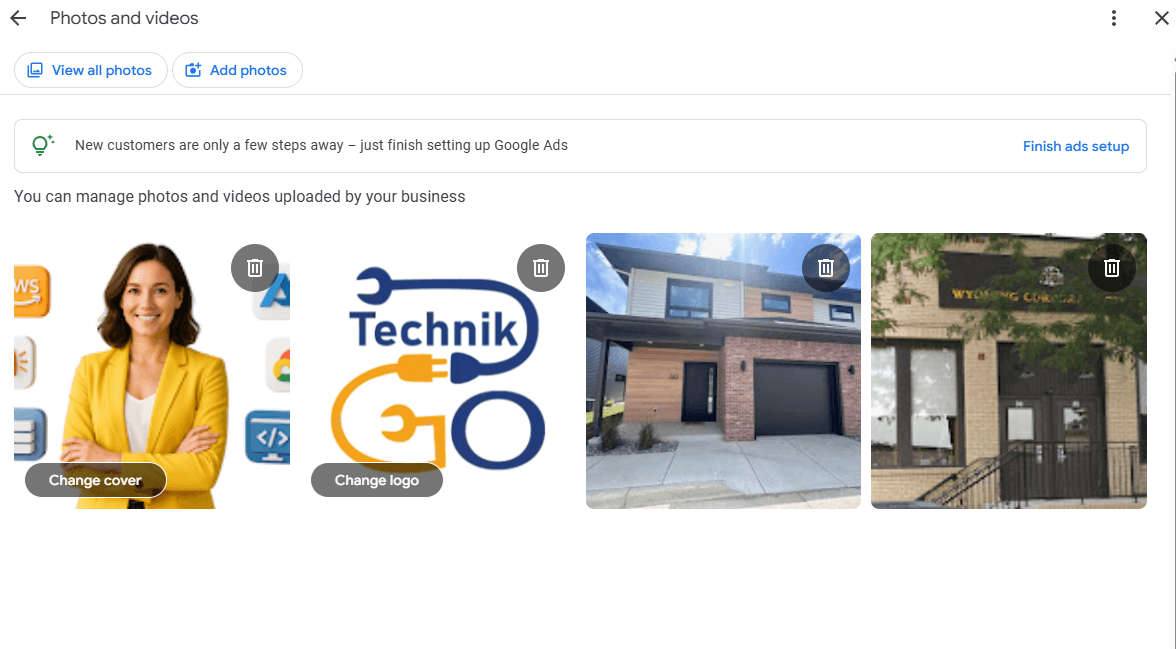
Google does not treat photo uploads on a Google Business Profile as decorative content. When it comes to GMB posting photos, Google evaluates both how often photos are uploaded and how users interact with them. These signals help Google decide whether a business listing is active, trustworthy, and relevant for local search results.
Regular photo uploads show Google that a business is active and being managed properly. When you update photos consistently, Google sees ongoing business activity instead of a static or outdated listing. This freshness helps Google understand that your information is more likely to be accurate and useful for users.
In comparison, inactive profiles that upload photos once and never update them often lose visibility over time. Old images, outdated interiors, or seasonal photos from years ago signal low activity. On the other hand, businesses that update photos regularly-such as recent work, team updates, or new offerings – send a clear message that they are operational and engaged with customers. This difference directly affects how Google prioritizes listings in local results.
Google also measures how users interact with your photos. When people view images, click through them, or take actions after seeing photos – such as calling, requesting directions, or visiting the website – these actions indicate real interest. Higher engagement tells Google that users find the listing useful and relevant.
These engagement signals help maintain ranking stability over time. Profiles with strong photo interaction often perform better in competitive local searches because Google sees consistent user behavior tied to the listing. This is why uploading relevant, high-quality photos is not just about visibility, but also about supporting long-term ranking performance.
There is no benefit in uploading hundreds of photos at once and then stopping. What matters most for local SEO is photo frequency, not photo volume. Google prefers steady, consistent activity because it reflects how real businesses operate over time. The goal is to show ongoing relevance, not a one-time update.
As a baseline SEO best practice, businesses should upload new photos at least once every 7–10 days. This minimum frequency helps maintain listing freshness and prevents your profile from looking inactive. For better visibility and stronger engagement signals, uploading 2–5 new photos per week is ideal. These photos can include recent work, team activity, products, or customer interactions.
Consistency is far more important than bulk uploads. Posting photos regularly builds a long-term activity pattern that Google can measure. Uploading 30 photos in one day and none for the next three months sends a weaker signal than posting a few relevant photos every week. Regular updates help maintain ranking stability, especially in competitive local searches.
Photo frequency should also adjust based on business maturity and competition:
By following the right photo frequency and staying consistent, businesses can maintain visibility without overposting or wasting effort. This approach aligns with how Google evaluates activity and supports long-term local ranking performance.
To get the best results, businesses should not upload random images. The type of photos you upload should match your business model and customer intent. When you upload Google Business photos that reflect how your business actually operates, Google can better understand your services and show your listing to the right audience.
Different business types benefit from different photo strategies. Uploading relevant images improves engagement, builds trust, and supports local ranking signals.
Local service businesses should focus on photos that show real work being done. These images help Google and potential customers understand the services you provide and your service quality.
Recommended photo types:
These photos signal ongoing activity and help demonstrate real-world service delivery.
Retail and showroom businesses should upload photos that highlight what customers can expect when they visit the location. Visual updates also help showcase inventory changes and promotions.
Recommended photo types:
Regular updates keep the listing fresh and encourage in-store visits.
Restaurants and cafes benefit heavily from visual content because customers often decide based on appearance and atmosphere. Consistent photo updates also help keep the listing relevant.
Recommended photo types:
These photos increase engagement and help maintain visibility in local food-related searches.
Many businesses upload photos regularly but still fail to see ranking improvement. This usually happens because the photos do not meet Google’s quality and relevance expectations. Simply uploading images is not enough – how and what you upload matters just as much.
One of the most common mistakes is using stock images. Stock photos may look professional, but they do not represent your real business location, team, or services. Google prefers authentic visuals that reflect actual business activity. Stock images reduce trust and weaken local relevance signals.
Another mistake is uploading all photos at once. Bulk uploads create a short spike in activity but do not show long-term engagement. Google favors consistent updates over time. Spacing out uploads helps maintain freshness and signals ongoing business activity.
Repeating similar visuals also reduces impact. Uploading the same angle, same product, or same workspace multiple times does not add new value. Google looks for variety that shows different aspects of your business, services, and customer experience.
Many businesses also ignore location relevance. Photos should clearly connect to your physical location or service area. Images without identifiable surroundings, signage, or local context make it harder for Google to associate your business with a specific place. Location-relevant photos strengthen local SEO signals and improve visibility.
Avoiding these mistakes helps ensure that photo uploads actually support ranking stability instead of becoming wasted effort.
Uploading photos without a plan rarely delivers long-term SEO benefits. To maintain rankings, businesses need a clear business photo strategy that focuses on consistency, relevance, and purpose. Instead of posting random images whenever convenient, a structured approach helps Google recognize ongoing activity and understand your business more accurately over time.
A planned photo strategy ensures that every upload supports visibility, engagement, and trust. When photos follow a clear pattern – showing your location, services, and customer experience – Google can better connect your profile with real-world business signals. This is why strategic photo planning works better than occasional or unstructured uploads.
Not all photos contribute equally to ranking and engagement. Upload images that clearly represent your business, location, and services.
Effective photo types include:
These photo types improve trust and help Google validate your business authenticity.
Planning photo uploads in advance makes consistency easier and removes guesswork. A simple structure helps maintain activity without extra effort.
Recommended planning approach:
This approach keeps your profile fresh throughout the month and supports long-term ranking stability without overposting.
Uploading photos regularly is important, but photo updates alone are not enough to improve or protect local rankings. Google evaluates your Google Business Profile as a complete entity, not as individual actions. Photos work best when they are part of a broader optimization framework that shows consistency, accuracy, and ongoing business activity.
A fully optimized profile includes multiple connected elements working together. This includes regular audits, a structured posting strategy, consistent photo uploads, review management, accurate business information, and steady engagement signals. When these elements align, Google gains stronger confidence in the legitimacy and relevance of the business.
This is where professional optimization becomes important. Businesses that want predictable results often choose a complete Google Business Profile optimization solution that combines photo updates, posting strategy, review management, and profile accuracy into one system. This integrated approach ensures that photo uploads strengthen rankings instead of working on their own.
By treating photos as one part of a larger optimization system, businesses can maintain visibility, improve trust, and achieve long-term ranking stability in local search results.
No, photo updates alone do not guarantee higher rankings. While uploading photos plays an important role in local SEO, Google does not rank businesses based on photos in isolation. Photos support rankings, but they cannot replace other core trust and relevance signals.
Google looks at multiple factors together to decide local visibility. Reviews are one of the strongest signals. Businesses with consistent, genuine reviews and active responses often perform better than those relying only on visual updates. Photos may attract attention, but reviews confirm credibility.
NAP consistency is another critical factor. Your business name, address, and phone number must match across your Google Business Profile, website, and online directories. Even frequent photo uploads cannot compensate for inconsistent or incorrect business details.
Accurate business information also plays a major role. Operating hours, categories, services, and descriptions must remain up to date. If this information is outdated or incorrect, photos alone will not maintain ranking stability.
Photos work best as part of a complete optimization strategy. When combined with reviews, accurate information, and consistent signals across the web, photo updates help reinforce trust and support long-term local rankings.
To maintain stable local rankings, businesses should focus on consistent photo frequency, not occasional bulk uploads. The ideal approach is to upload new, relevant photos every week. This steady activity helps Google recognize ongoing business operations and keeps your Google Business Profile fresh over time.
Quality matters just as much as consistency. Photos should clearly represent your location, services, team, and customer experience. Authentic images perform better than stock photos and help build trust with both Google and potential customers.
Strategic photo uploads always outperform random posting. Planning photo updates around business activity, seasonal changes, or promotions ensures that each image serves a purpose. When photo uploads follow a clear strategy and align with other optimization efforts, they support ranking stability and long-term visibility.
By treating photo uploads as an ongoing process rather than a one-time task, businesses can protect their local rankings and stay competitive in search results.