

Many businesses choose their Google Business categories quickly during setup and never look at them again. At first, nothing feels wrong. The profile exists, the business appears sometimes, and there are no warnings from Google. Over time, though, category mistakes quietly reduce visibility.
These mistakes rarely cause sudden ranking drops. Instead, they slowly limit how often a business appears in relevant Google Maps searches. This happens because Google uses categories to decide eligibility before it even compares distance, reviews, or activity. If the category does not clearly match what the business offers, Google may stop showing the listing for important searches.
Wrong categories confuse search intent and weaken Maps relevance. The good news is that fixing these issues is safe when done correctly. Understanding google business category mistakes helps prevent long-term visibility loss. This guide explains the most common category problems and how to avoid them before they hurt your rankings.

Google Business categories directly control which searches your business is eligible to appear for. Before Google looks at distance, reviews, or activity, it first checks whether a business fits the search intent at all. Categories are the primary way Google makes that decision.
This is why Google filters results early. If the category does not clearly match the search, the business may never enter the comparison stage. In those cases, visibility problems are not ranking issues. They are eligibility issues. A business cannot rank if it is filtered out before ranking even begins.
Categories also influence local pack inclusion. Only businesses that meet Google’s relevance criteria are considered for those limited Map results. When categories are accurate, a business stays eligible. When they are wrong or unclear, visibility drops quietly.
Many ongoing category-related ranking issues start here, when relevance is misunderstood early.
Category mistakes often go unnoticed because they do not trigger immediate warnings. Instead, they slowly weaken relevance and make it harder for Google to match a business with the right searches.
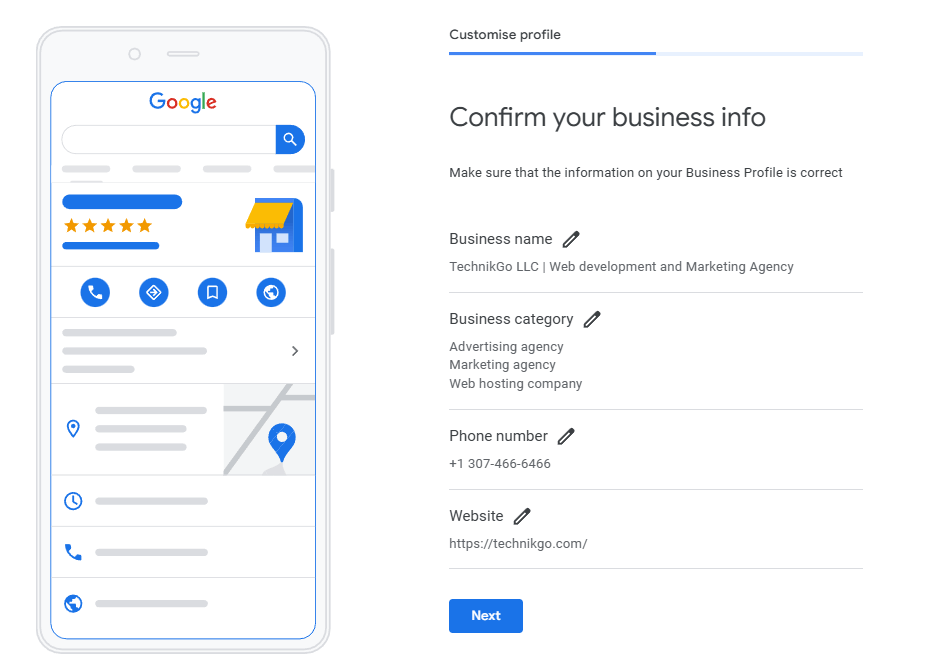
The primary category defines search intent. It tells Google what your business mainly does and which searches you should be considered for. When this category is too broad or vague, relevance suffers.
Broad categories may sound appealing, but they often underperform because they lack clarity. Examples include choosing a general service label when a more specific option exists or selecting a category that only partially describes the business.
This mistake leads to a category ranking drop over time. As Google compares relevance more closely, businesses with clearer primary categories begin to appear more consistently.
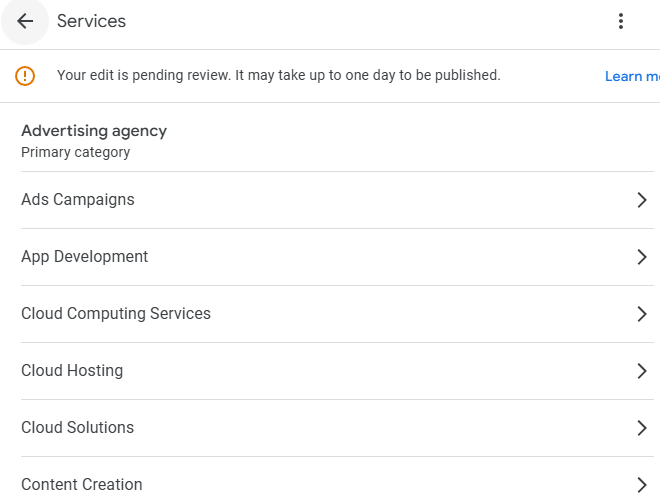
Adding too many secondary categories reduces clarity. Instead of reinforcing relevance, excessive categories create mixed signals.
Google interprets conflicting categories as uncertainty about what the business actually offers. When secondary categories pull the profile in different directions, relevance weakens.
Secondary categories hurt when they compete with the primary category or describe services the business does not clearly provide. Fewer, accurate categories help Google make confident visibility decisions.
Copying competitor categories is a common shortcut that often backfires. Just because another business ranks well does not mean categories are the reason. Competitor profiles may perform well due to stronger reviews, longer history, better engagement, or closer proximity.
Service differences also matter. Two businesses in the same area may appear similar, but their actual offerings, target customers, and service focus can be very different. Categories that fit one business may weaken relevance for another.
Copying categories without understanding intent creates mismatches. Google compares categories with real-world signals like website content, reviews, and photos. When those signals do not align, trust drops.
Category strategy must match the business itself. The most effective categories are the ones that accurately describe what you offer, not what happens to work for someone else.
Using categories for services you barely offer creates a gap between what your profile claims and what customers actually experience. Google actively cross-checks categories against real-world signals to confirm accuracy.
Website content, reviews, and photos all play a role in this process. If a category suggests a service that is not clearly supported by these signals, Google may begin to question the reliability of the profile.
Misalignment reduces trust. When users cannot find evidence of a listed service, engagement drops. When Google sees repeated mismatches, it becomes less confident showing the business for those searches.
This mistake often suppresses Maps visibility quietly. The business may still appear occasionally, but consistency fades. Accurate categories that reflect real services help maintain trust and stable visibility.
Category mistakes almost never trigger penalties. Google does not punish most businesses for choosing the wrong category. Instead, it slowly reduces confidence in the listing.
When categories do not match real services or search intent, relevance weakens little by little. The business may still appear for some searches, but not as consistently as before. Over time, Google finds other listings that better match the intent and shows them more often.
This is how businesses “fade out” of Maps results. Visibility declines quietly, without alerts or clear warnings. Owners often notice fewer calls or direction requests before they notice ranking changes.
It is important to understand the difference between drops and suppression. A drop means the business is still eligible but less competitive. Suppression means Google no longer considers the listing relevant for certain searches. Category mistakes are one of the most common causes of this slow suppression.
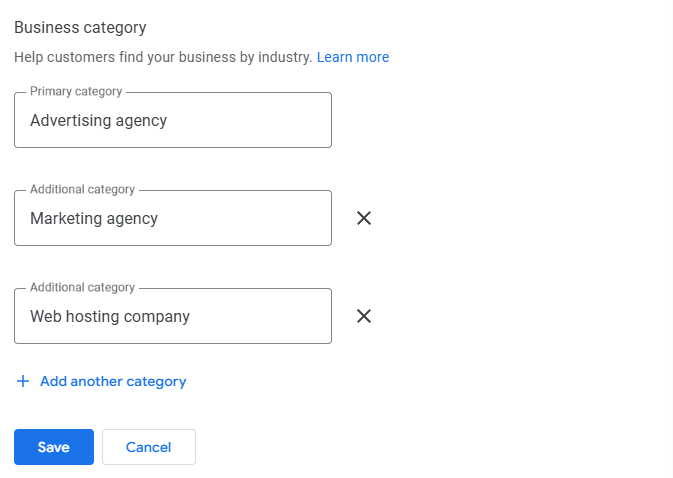
Category problems are easy to miss because they do not always cause sudden changes. Instead, they show up as patterns that feel confusing unless you know what to look for.
One sign is when your business appears for some searches but not others that clearly match your services. This usually means the category does not align well with search intent. Another warning is inconsistent visibility. You may show up one week and disappear the next without any changes to reviews, photos, or activity.
Visibility loss without obvious review issues or inactivity often points to relevance problems rather than competition or penalties. When everything else looks stable, categories are usually the missing piece.
If these patterns continue, it is time to audit category alignment. This often points back to problems in business category selection that were never corrected.
Fixing category mistakes works best when changes are careful and limited. The goal is to improve clarity without creating new uncertainty for Google.
Update the primary category only when it is clearly wrong or no longer reflects your main service. If the primary category still matches what you do, leave it alone. Changing it without a strong reason often causes instability.
Secondary categories should be removed when they describe services you no longer offer or never truly provided. Keep only those that clearly support the primary category.
Avoid making multiple changes at once. Changing categories, business descriptions, services, and other fields together makes it harder to understand what caused any movement. Small, focused updates protect stability.
Results are not instant. After category corrections, Google needs time to reassess relevance and trust signals.
Short-term fluctuations are normal. You may see slight increases or decreases while Google recalibrates.
Real improvement usually appears over several weeks. Signs include more consistent appearances for relevant searches, steadier Maps visibility, and better alignment between searches and user actions.
Correcting category mistakes often improves relevance, but it does not fix every visibility problem. Some businesses clean up their categories, wait patiently, and still see limited or inconsistent results. In these cases, the issue usually goes beyond categories alone.
Other factors such as weak service alignment, suppressed profile fields, low engagement, or broader profile health problems may be holding visibility back. Categories work best when they are supported by accurate information, clear services, and consistent activity. Fixing one area without addressing the rest can limit progress.
For businesses that continue to struggle with visibility on Google Maps due to category-related issues, getting expert help can uncover deeper problems and resolve them without risk.
At this stage, a more complete review helps ensure that all ranking signals are aligned instead of relying on repeated category changes.
Avoiding category mistakes over the long term comes down to consistency and restraint. Categories should support your business quietly, not become a frequent adjustment point.
Review your categories quarterly, not frequently. This gives enough time to observe patterns without reacting to normal short-term fluctuations. Frequent edits often create instability and confuse Google.
Always align categories with real service changes. If your offerings expand or narrow, update categories carefully to reflect those changes. If nothing has changed in the business, avoid making edits just because competitors appear to be ranking differently.
Reactive edits based on competitor behavior usually weaken relevance. Stability builds trust with Google because it signals reliability. Profiles that remain accurate and steady over time tend to maintain stronger, more consistent visibility.
Category mistakes quietly hurt Google Maps rankings. They rarely cause sudden drops, but over time they reduce relevance and make it harder for Google to understand when your business should appear.
Primary category errors cause the most damage. When the main category does not clearly match what you offer, everything built on top of it becomes weaker, no matter how strong reviews or proximity may be.
Fewer, accurate categories outperform aggressive setups. Adding extra or loosely related categories often creates confusion instead of visibility.
Correct categories protect long-term visibility by keeping your profile clear, consistent, and trustworthy. Take time to review your current categories carefully using the mistakes outlined in this guide and make updates only where they are truly needed.