
When Google removes reviews from a business profile, it usually happens because the reviews no longer meet Google’s guidelines or trigger automated checks. Review removal is not always a penalty – it is often part of Google’s system to keep reviews reliable and trustworthy.
There are several common triggers for review removal. Reviews may disappear if Google detects spam signals, unusual posting behavior, or activity that looks manipulated. This includes fake accounts, repeated reviews from the same source, or sudden spikes in review volume. Even well-intended actions can sometimes trigger these systems.
It is also important to understand the difference between temporary filtering and permanent removal. Temporary filtering happens when Google holds reviews for verification. These reviews may reappear after the system completes its checks. Permanent removal occurs when a review clearly violates guidelines and is deleted from the profile.
In many cases, removals happen without notification. Google does not always alert businesses when reviews are filtered or removed. This is why businesses often notice missing reviews only after checking their profile manually. Google limits notifications to prevent abuse and manipulation of the review system.
Understanding why Google removes reviews helps businesses avoid unsafe practices and focus on review methods that support long-term visibility and trust.
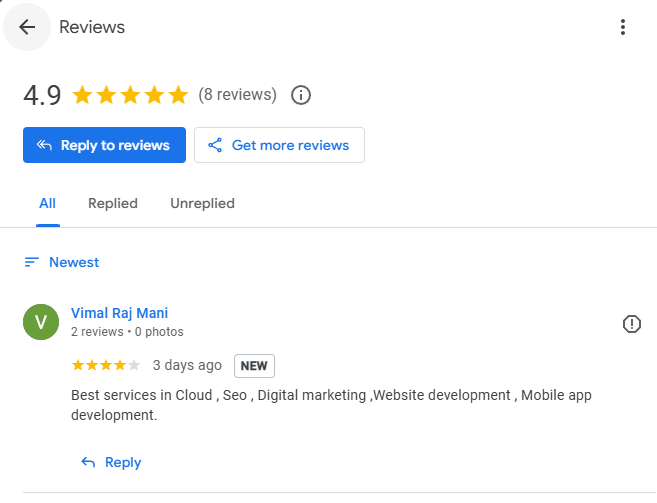
When businesses notice missing GMB reviews, it usually means those reviews triggered Google’s moderation systems. Reviews can disappear for different reasons, even when they appear genuine at first.
Some reviews are removed because they clearly violate Google’s review policies.
Reviews created from fake accounts, duplicate profiles, or automated tools are often detected and removed. Even reviews written with good intentions may disappear if Google suspects they are not from real customers.
Reviews offered in exchange for discounts, rewards, or money violate Google’s guidelines. These reviews often look unnatural and are frequently removed once detected.
Not all missing reviews are fake or paid. Some are flagged by automated systems due to unusual patterns.
A large number of reviews posted in a short time can appear suspicious. Even legitimate reviews may be filtered temporarily when activity looks unnatural.
Reviewers who post multiple reviews quickly, use similar wording, or review many businesses in a short period may trigger filters. Reviews from such accounts are more likely to be removed.
Understanding these causes helps businesses identify why reviews disappear and adjust their review practices to avoid future losses.
When Google removes reviews, it is usually the result of automated systems designed to protect the quality and trustworthiness of the review ecosystem. Google uses multiple layers of detection to decide which reviews remain visible.
Automated review moderation plays the biggest role. Google relies on machine-learning systems to analyze review patterns, reviewer behavior, and posting activity. These systems look for signals such as repeated wording, unusual posting frequency, shared IP addresses, or behavior that does not match normal customer activity. Reviews that trigger these signals may be filtered automatically.
User reports also influence review removal. Customers, competitors, or even automated systems can flag reviews that appear fake, misleading, or policy-violating. When a review receives multiple reports, Google may review it more closely and decide to remove it if it breaks guidelines.
Sometimes, legitimate reviews disappear even when no rules were broken. This usually happens when reviews resemble spam patterns or appear during sudden activity spikes. In such cases, reviews may be temporarily filtered while Google verifies authenticity. Some reviews return after verification, while others remain hidden.
Understanding how Google detects and filters reviews helps businesses avoid risky practices and focus on steady, guideline-compliant review collection that supports long-term visibility and trust.
Not all missing reviews are gone forever. Understanding the difference between temporary and permanent review removal helps businesses respond correctly and avoid unnecessary actions.
Knowing the difference helps businesses avoid panic and focus on the right steps to protect review stability and long-term trust.
When reviews disappear, reacting quickly without understanding the cause can make things worse. A proper review loss fix starts with clarity, patience, and careful monitoring rather than rushed actions.
First, determine if the reviews are temporarily filtered or permanently deleted. Check your profile over several days instead of immediately assuming they are gone. Temporary filtering is common, especially after sudden review activity.
Avoid asking customers to repost reviews at this stage. Reposting too soon can trigger further filtering and increase risk.
Review how the removed reviews were collected. Make sure no incentives, discounts, or selective requests were involved. Even indirect encouragement or shared links in bulk can trigger review removal.
If you recently ran campaigns, sent mass messages, or experienced a review spike, these may have caused the issue. Identifying compliance gaps helps prevent repeated losses.
Track your review count and timing over the next few weeks. Look for patterns such as reviews disappearing after spikes or specific types of reviewers being affected. Consistent monitoring helps you understand how Google is reacting to your review activity.
A calm, structured response is the safest review loss fix. By focusing on compliance and natural growth, businesses can stabilize reviews and reduce the risk of future removals.
When reviews disappear, it can be frustrating. However, reacting the wrong way can make the situation worse and lead to further review loss or profile issues. Avoid these common mistakes after reviews are removed.
The safest approach after review loss is patience and compliance. Taking calm, corrective steps helps protect your profile and reduces the risk of future removals.
Many cases of review removal are caused by ongoing review management issues, not by a single action. Poor review practices often create patterns that Google’s systems flag over time. This includes inconsistent review requests, sudden spikes, or unclear processes for collecting feedback.
A lack of monitoring makes the problem worse. When businesses do not regularly check review activity, they may miss early warning signs such as filtered reviews, unusual posting behavior, or repeated guideline violations. Without monitoring, small issues can turn into repeated review loss.
Inconsistent review handling also contributes to removals. Asking for reviews irregularly, responding only to certain reviews, or changing methods frequently can create unnatural patterns. Google prefers steady, predictable activity that reflects real customer interactions.
Addressing review management issues early helps prevent review removal. A structured and consistent approach keeps review activity natural, compliant, and stable over time.
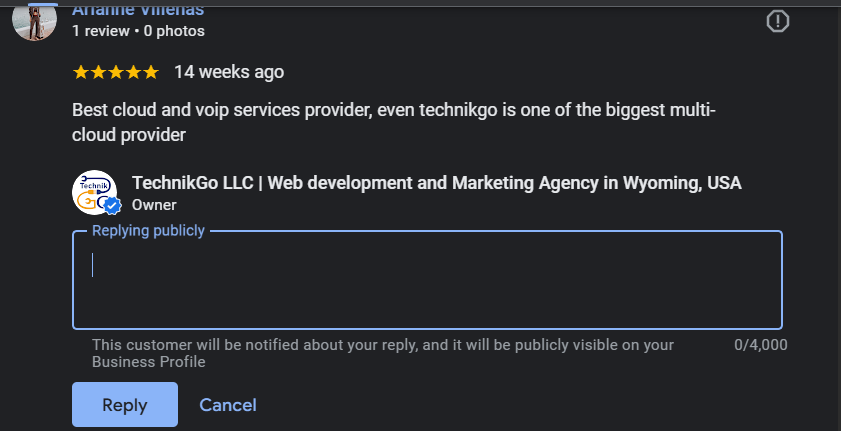
Responding to reviews properly plays an important role in keeping reviews visible and stable over time. Review replies help Google see real interaction between businesses and customers, which signals authenticity. Genuine conversations reduce the chances of reviews being flagged as artificial or low-quality.
Engagement supports review retention. When businesses reply consistently, users interact more with reviews by reading responses and spending more time on the profile. This ongoing engagement reinforces that reviews are legitimate and part of an active business profile, which helps reduce unnecessary filtering.
There is also a strong connection between responses and trust. Thoughtful replies show transparency and accountability. Customers feel more confident when they see issues acknowledged and feedback appreciated. This trust encourages honest reviews and discourages behavior that could trigger removals.
By responding to reviews properly, businesses strengthen authenticity, engagement, and trust at the same time. This balanced approach supports review stability and protects long-term profile health.
Preventing review removal requires a consistent and ethical approach. Instead of reacting to losses, businesses should focus on building review practices that align with Google’s guidelines and natural user behavior.
Following these practices helps protect review stability and ensures that reviews continue to support trust and long-term visibility.
As review loss becomes more frequent or affects multiple locations, managing the situation manually often becomes difficult. In these cases, businesses may struggle to track patterns, identify root causes, and respond correctly. Over time, repeated review removals can weaken both trust and visibility if no structured process is in place.
In addition, some situations require direct communication with Google support. For example, submitting appeals, explaining review issues, or clarifying guideline compliance takes accuracy and patience. When communication is rushed or unclear, resolution may be delayed or the issue may remain unresolved.
For day-to-day review stability, many businesses choose a structured google business profile management service. This type of service helps monitor review activity, identify compliance risks early, and maintain consistent review practices. As a result, businesses can reduce the chances of repeated review loss caused by unmanaged or irregular behavior.
Meanwhile, when review issues require escalation or formal intervention, a dedicated google business support service can provide assistance with audits, appeals, and communication with Google. This is especially helpful when reviews continue to disappear without clear explanations or after compliant practices are already in place.
Ultimately, using support or management services makes sense when review stability directly affects visibility and trust. With ongoing audits, monitoring, and compliance checks, businesses can prevent repeat issues and protect long-term profile health.
Use this checklist to ensure your review strategy stays compliant and reduces the risk of future removals. A regular review of these points helps protect trust and profile stability.
Following this checklist supports long-term review visibility and helps keep your Google Business Profile in good standing.
Stable reviews are built on compliance and consistency. Reviews that follow Google’s guidelines are more likely to remain visible and continue supporting your business over time. Ethical review practices protect credibility and reduce the risk of sudden losses.
Proactive monitoring plays a key role in maintaining review stability. Regularly checking review activity, response patterns, and growth trends helps identify issues early and prevents repeat problems. Small adjustments made on time are easier than fixing large losses later.
Review stability should be treated as a long-term trust asset, not a short-term metric. When reviews remain visible and authentic, they reinforce confidence, support engagement, and strengthen your Google Business Profile for the long run.