
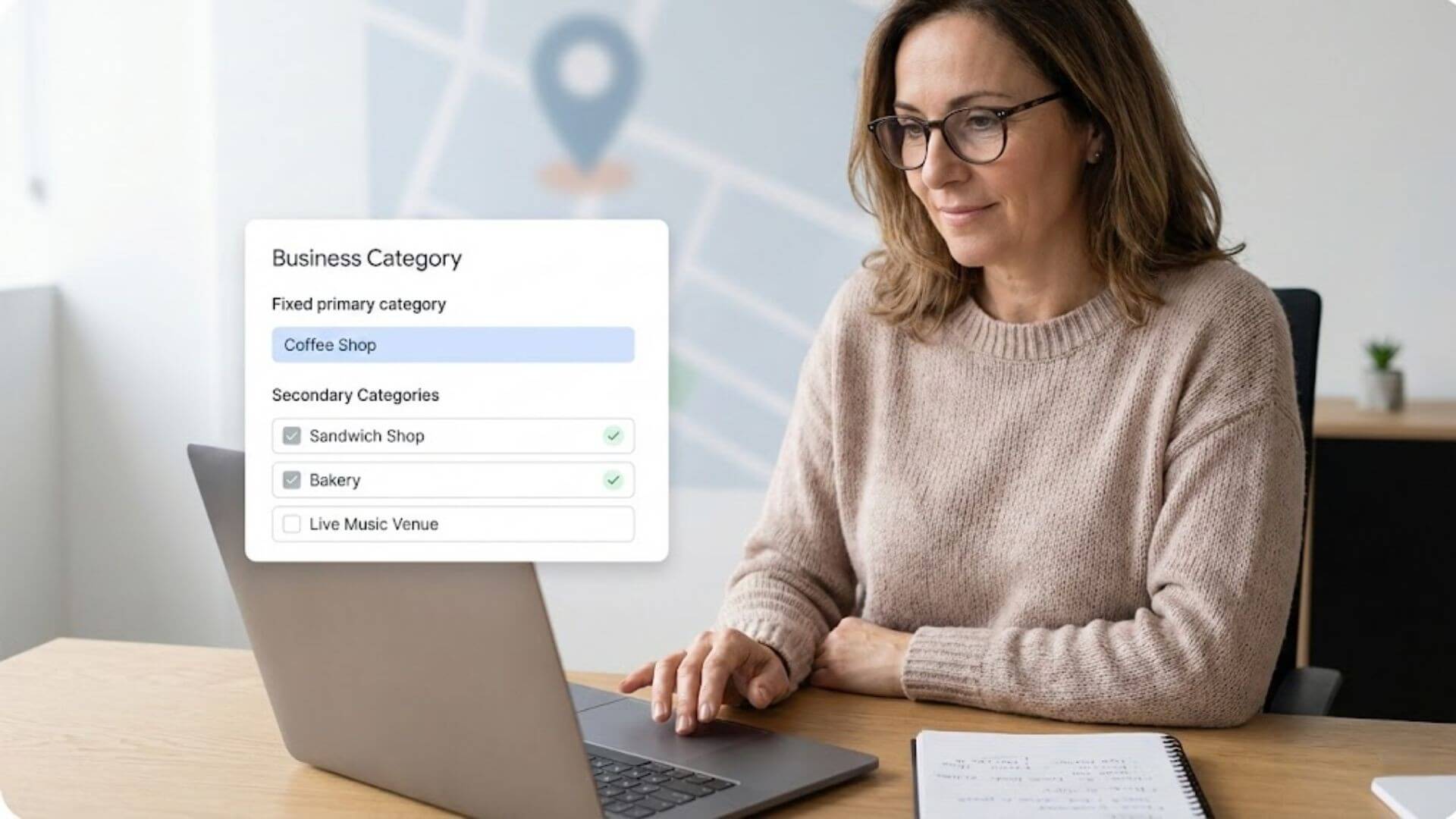
Many businesses add secondary categories to their Google Business Profile without really understanding what they do. It often feels like an easy way to show up for more searches. In reality, secondary categories work very differently than most people expect.
Secondary categories do not boost rankings on their own. They do not replace the primary category or expand reach automatically. When used incorrectly, they quietly dilute relevance and make it harder for Google to understand what the business actually offers.
Google uses secondary categories for context, not popularity. They help clarify related services, but only when they support the main category. Adding too many or unrelated options usually creates confusion instead of visibility. Over time, fewer and more accurate categories perform better and keep profiles stable.
This is why google business secondary categories need to be chosen carefully. This guide explains how to use them safely, so they support relevance without creating long-term issues.
Secondary categories help explain your business, but they do not define it. The primary category tells Google what your business is. Secondary categories simply add supporting detail about related services you also offer.
This is an important difference. Primary categories carry authority and ranking weight. Secondary categories add context, not power. They help Google understand the full scope of your services, but they do not override or compete with the primary category.
Google interprets secondary categories as supporting signals. When they closely relate to the main service, they strengthen relevance. When they are loosely related or excessive, they create confusion and weaken clarity.
Secondary categories matter most when a business offers a small set of closely connected services that customers genuinely expect. They work best when businesses first focus on choosing the right business category before adding any secondary options.
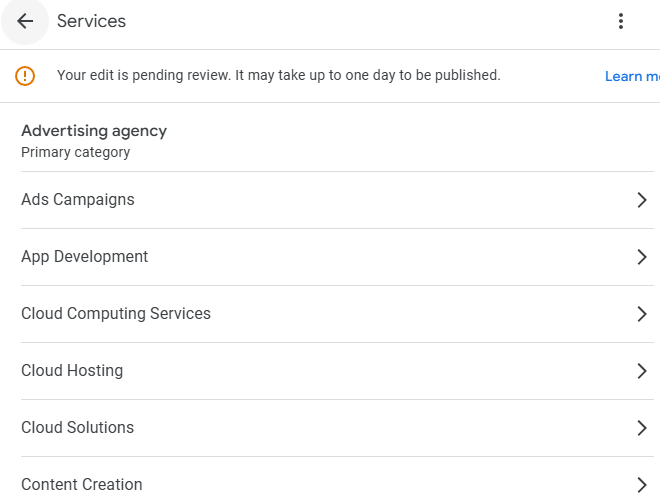
Google uses secondary categories to refine understanding, not to change a business’s core identity. They never override the primary category. If the primary category does not match the search intent, secondary categories cannot fix that gap.
Categories help Google filter eligibility. Before considering distance, reviews, or activity, Google checks whether a business fits the search at all. Secondary categories only help within the limits set by the primary category.
Adding more categories does not increase visibility. In fact, adding too many often has the opposite effect. It blurs the business focus and makes it harder for Google to determine relevance.
When secondary categories are misused, clarity weakens. Google prefers profiles that communicate clearly and consistently. Fewer, accurate categories help Google make confident decisions about when to show a business.
Secondary category mistakes are common because they rarely cause immediate problems. Instead, they slowly reduce relevance and make profiles harder for Google to understand.
One frequent mistake is adding every available category that seems loosely related. More categories do not mean more visibility. They usually create confusion about what the business actually does.
Copying competitor category lists is another issue. Competitors may offer different services, target different customers, or rank for different reasons. What works for one profile may weaken another.
Using categories for services you barely offer also hurts trust. If customers cannot clearly find those services when they visit or contact you, Google may reduce confidence in the profile.
Treating secondary categories as ranking levers is risky. They are not shortcuts. Their role is to support clarity, not to force visibility.
Choosing secondary categories requires restraint and clarity. The goal is to support the primary category, not compete with it or dilute its meaning.
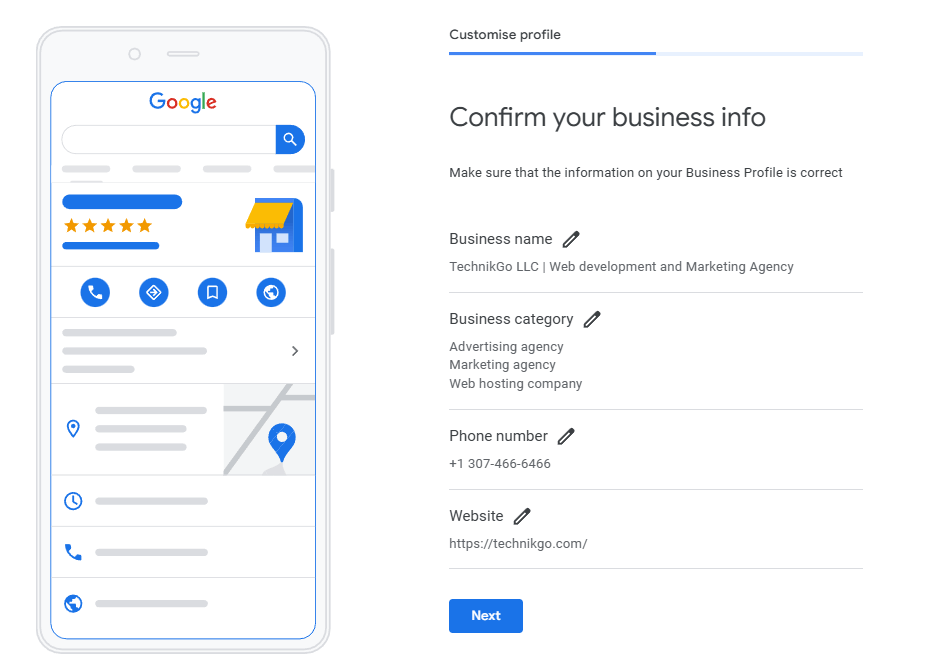
Secondary categories should reinforce the main service and search intent defined by the primary category. They work best when they describe closely related services that customers naturally expect from your business.
Supportive secondary categories stay within the same service theme. Conflicting categories pull the profile in different directions and confuse Google. When overlap is unclear or unrelated, Google struggles to decide which searches the business truly fits.
Every secondary category should reflect a service your business clearly offers today. If a category suggests something customers cannot easily find on your website, in reviews, or in photos, trust begins to weaken.
Misalignment reduces relevance and credibility. In some cases, Google may suppress visibility when it detects categories that do not match real-world signals. Accurate categories help maintain long-term stability and consistent visibility.
Secondary categories influence Google Maps visibility by refining relevance, not by expanding reach. They help Google decide whether a business fits certain searches once the primary category has already qualified it.
Relevance still comes first. If the primary category does not align with the search, proximity alone will not help. Secondary categories cannot make an unrelated business appear just because it is nearby.
Categories also affect local pack eligibility. Google uses them to filter which businesses qualify before comparing distance, reviews, and activity. Accurate secondary categories keep the business eligible for the right searches, while inaccurate ones quietly reduce exposure.
Accuracy matters more than quantity. A few well-chosen secondary categories strengthen relevance. Too many weak or unrelated options dilute clarity and reduce the chances of appearing consistently on Maps.
Secondary categories should change only when the business itself has changed. Updating them without a clear reason often creates instability and makes it harder for Google to trust the profile.
A review is necessary when services have expanded or narrowed in a meaningful way. If your business now offers fewer services than before, outdated secondary categories can dilute relevance.
Another sign is when the profile feels unfocused. If searches triggering your listing no longer match what you actually do, secondary categories may be pulling the profile in too many directions.
Visibility drops without other changes can also point to category issues. When accuracy, reviews, and activity look stable, outdated or weak secondary categories may be limiting relevance.
Change only what no longer fits. Remove secondary categories that no longer reflect real services and keep the ones that clearly support the primary category.
After updates, patience matters. Google needs time to reassess relevance, and short-term movement is normal.
Reviews should be occasional, not frequent. Checking secondary categories quarterly is usually enough. Regular but restrained updates help maintain clarity and long-term stability.
Updates to secondary categories do not create instant changes. Once adjustments are made, Google needs time to reassess how the profile fits relevant searches and how it compares to other businesses.
Short-term fluctuations are normal. A business may appear more or less often for certain searches during this period. These changes are part of Google recalibrating relevance and do not mean something went wrong.
Real improvement usually becomes visible over a few weeks. Signs include appearing for more relevant searches, steadier placement in Maps results, and better engagement from users who are looking for exactly what the business offers. Consistency over time confirms that the categories are aligned correctly.
Updating secondary categories can improve clarity, but it does not solve every visibility problem. Some profiles remain inconsistent even after categories are cleaned up because other elements are out of alignment. Weak service descriptions, unclear primary categories, suppressed profile fields, or low engagement can all limit the impact of category fixes.
Secondary categories work best when they support a healthy profile overall. If other signals are weak or conflicting, category changes alone may not be enough to restore relevance or consistency. At this stage, guessing or making repeated edits often causes more harm than progress.
If secondary category updates are not improving results, getting help from a Google Business Profile optimization specialist can reveal issues that are easy to miss and fix them carefully.
A broader review helps ensure that categories, services, and real-world signals all support the same intent.
Long-term stability comes from restraint, not constant tweaking. Secondary categories should support the profile quietly in the background, not become a frequent adjustment point.
Review secondary categories quarterly, not often. This allows enough time to evaluate performance without introducing unnecessary changes that can confuse Google.
Always keep categories aligned with real-world services. If the business changes, update categories carefully. If nothing has changed, resist the urge to edit based on short-term ranking movement.
Avoid reactive edits. Making changes in response to daily fluctuations often creates instability and weakens trust signals.
Stability builds trust because it shows consistency. Profiles that remain accurate and steady over time are easier for Google to understand and more likely to maintain reliable visibility.
Secondary categories support relevance, but they do not replace the primary category. Their role is to add context, not to redefine what your business is or force visibility.
Fewer, accurate categories perform better than long lists of weak or loosely related options. Each category should clearly reflect a real service your business offers today.
Small, thoughtful updates beat frequent changes. Adjust secondary categories only when something is genuinely outdated or misaligned. This approach protects stability and avoids unnecessary fluctuations.
Correct secondary categories support long-term visibility by keeping your profile focused and easy for Google to understand. Take time to review your current secondary categories using the principles outlined in this guide and make changes with purpose, not urgency.