

Many business owners feel frustrated when their listing appears on Google but does not show up where it matters most. You may see your business occasionally, but rankings feel inconsistent or unreliable. This situation is common, and it usually does not mean something is wrong or that your profile has been penalized.
A Google Business Profile can exist without earning strong visibility. Most ranking problems develop slowly over time due to small, overlooked issues rather than sudden algorithm changes. Google focuses on trust, relevance, and overall profile health when deciding which businesses to show.
The good news is that a google business profile not ranking well is often fixable. With the right approach, visibility can improve steadily. This guide explains the most common reasons profiles fail to rank and helps you understand what to fix first without relying on shortcuts or risky tactics.
When business owners say their profile is not ranking, it usually does not mean the profile is completely invisible. In many cases, the business appears sometimes but not consistently, or it shows up for certain searches and not others. This difference often causes confusion.
Rankings vary by location and search type. A business may appear when someone searches nearby but disappear when the search comes from a different area. This is normal behavior and not always a problem with the profile itself.
Google Maps results also work differently from website rankings. Maps focuses more on location, relevance, and profile health, while website rankings rely on content and links. Business owners should expect gradual improvement, not fixed positions. Consistent visibility is built over time through accuracy, engagement, and trust.
Most ranking problems come from a small set of issues that quietly limit trust and relevance. Understanding these problems makes it easier to fix what actually matters instead of guessing.
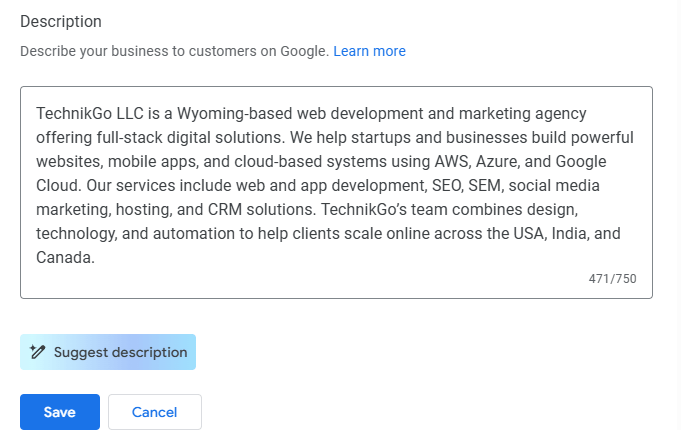
Google cross-checks business data across many sources, including your website, maps data, local listings, and user reports. When information matches, Google trusts the profile more. When it does not, visibility can drop without warning.
Mismatches in your business name, address, phone number, or hours are common issues. Even small differences, such as outdated hours or a slightly different phone number, can reduce trust. These inconsistencies confuse users and make Google less confident about showing the profile in Maps results.
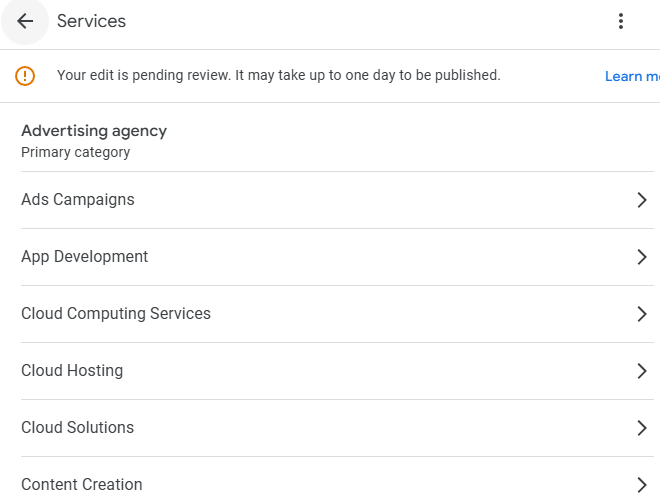
Categories strongly influence search relevance. The primary category tells Google what your business is most relevant for. If it is too broad or incorrect, your profile may not appear for the right searches.
Common mistakes include choosing categories based on competitors or adding too many options without focus. Copying competitors often fails because their services, location, or history may be different. Category changes help when the original choice was wrong or services have changed, but frequent changes can hurt stability.
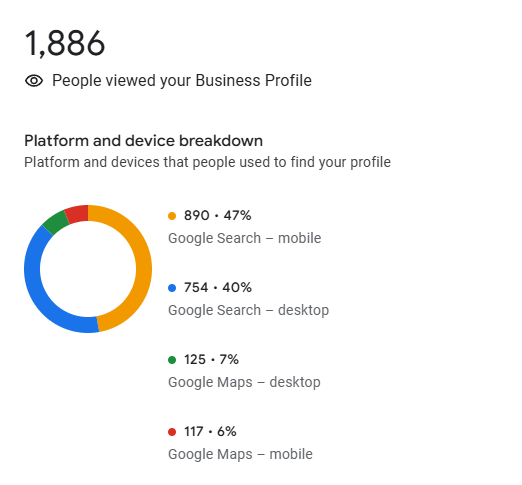
Low engagement is another common reason profiles struggle to rank. A lack of reviews, inconsistent review activity, missing photos, or outdated images all weaken credibility.
Profiles with no visible activity look neglected. Engagement signals show Google that a business is active and trusted by customers. Regular reviews, updated photos, and simple ongoing activity help support stronger visibility over time.
Some visibility problems are easy to spot, but others are often missed because the profile looks complete on the surface. These overlooked issues can quietly limit performance even when everything seems set up correctly.
Filling out every field in a Google Business Profile does not automatically lead to better rankings. Completeness only means the information exists, not that it helps users make decisions.
Optimization focuses on usefulness. Clear descriptions, accurate categories, and relevant services matter more than simply having every section filled. When information is vague or copied, users struggle to understand the business, and engagement stays low.
Clarity impacts user actions directly. Profiles that explain what they do clearly and simply tend to receive more calls, direction requests, and visits. Those actions support stronger Maps visibility over time.
Some businesses try to force rankings through aggressive tactics. Keyword stuffing the business name is a common example. While it may seem effective briefly, it often leads to drops or suspensions.
Over-editing sensitive fields like the business name, address, or categories can also reduce stability. Frequent changes make the profile look unreliable.
Automation misuse, such as fake engagement or bulk actions, weakens trust signals. Aggressive tactics usually create short-term movement followed by long-term problems. Stable profiles perform better than heavily manipulated ones.
It is common for a Google Business Profile to rank well at one point and then slowly lose visibility. In most cases, this does not happen because of a penalty or a sudden rule change.
Neglect over time is one of the main reasons. Profiles that are not updated regularly may fall behind competitors who stay active with reviews, photos, and accurate information. Small issues add up when left unchecked.
Business changes that are not reflected in the profile can also cause drops. New hours, service changes, or expansions that are not updated create confusion for users and reduce trust signals.
Competitive pressure plays a role as well. New businesses may enter the area, or existing competitors may improve their profiles. Ranking drops usually happen gradually without penalties, driven by changes in relevance and activity rather than punishment.
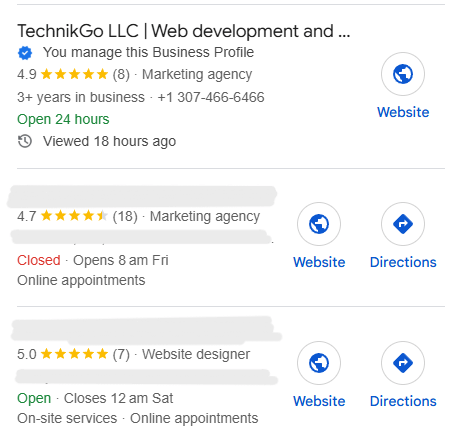
Google uses a few core signals to decide which business profiles appear in Maps results. The most important factors are relevance, distance, and profile health.
Relevance measures how closely a business matches what someone is searching for. This depends on accurate categories, clear descriptions, services, and overall profile clarity. Distance refers to how close the business is to the search location. While proximity matters, it does not guarantee rankings on its own.
Profile health brings everything together. Consistency, accurate information, reviews, photos, and ongoing activity all signal trust. Google prefers businesses that appear reliable and well maintained.
Stable profiles usually outperform reactive ones. Businesses that make thoughtful updates and maintain consistency tend to see better long-term visibility than those that constantly change settings or chase quick results.
Fixing the basics often improves visibility, but some profiles still struggle even after correcting information, categories, and engagement. At this stage, the problem is usually not obvious. The profile may look clean and active, yet rankings remain low or inconsistent.
Deeper issues can include hidden category conflicts, suppressed fields, historical data problems, or relevance gaps that are not visible inside the dashboard. These issues develop over time and are difficult to identify without experience. Guessing or making repeated changes can make the situation worse.
For businesses that need help diagnosing deeper issues beyond surface-level fixes, working with a professional Google Business Profile support service can help identify what is holding visibility back.
The goal here is not to make more changes, but to understand what is quietly limiting performance and address it safely.
Recovering Google Business Profile rankings takes time. Improvements are usually gradual because Google needs consistent signals before adjusting visibility. Quick changes rarely lead to lasting results.
Short-term fluctuations are normal. Rankings may move up or down slightly from day to day, especially after updates. This movement does not mean recovery has failed. Real recovery shows up as steadier visibility and more consistent appearances over time.
Progress is often seen over weeks and months, not days. Early signs include more profile views, increased engagement, and gradual improvement in Maps presence. Stronger rankings follow as trust builds.
Patience matters. Profiles that remain accurate, active, and consistent tend to recover more reliably than those that react to every small change.
Preventing ranking issues is easier than fixing them later. The key is simple, consistent care rather than frequent changes.
Start with monthly maintenance habits. Check reviews and respond thoughtfully, update photos if needed, and confirm that hours and contact details are still accurate. These small actions help keep the profile active and trustworthy.
Plan a deeper profile review every quarter. Revisit categories, services, and descriptions to make sure they still reflect what the business offers. Only make changes when something is outdated or incorrect.
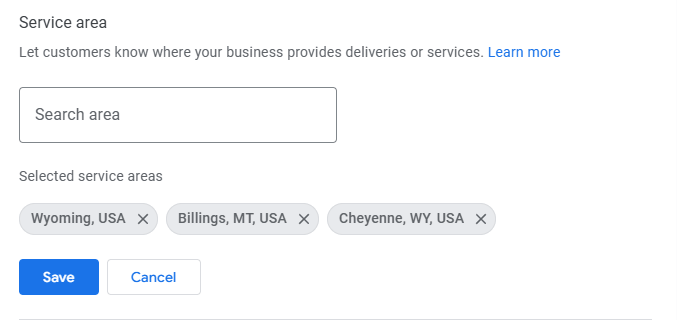
Consistency is especially important during business changes. Moves, new services, or expanded service areas should be updated carefully and accurately. Sudden or rushed edits often create problems.
Prevention works because Google values stability. Profiles that stay accurate and steady are less likely to lose visibility and easier to maintain over time.
Low rankings are usually caused by overlooked fundamentals, not penalties or hidden tricks. Google Business Profile success is built on trust, relevance, and consistency. Small improvements done regularly matter more than aggressive changes.
A healthy profile supports stable local visibility and protects rankings over time. Take time to review your profile carefully using the issues outlined in this guide and make changes with purpose, not urgency.